
Dear Investors,
The Temptation to Print
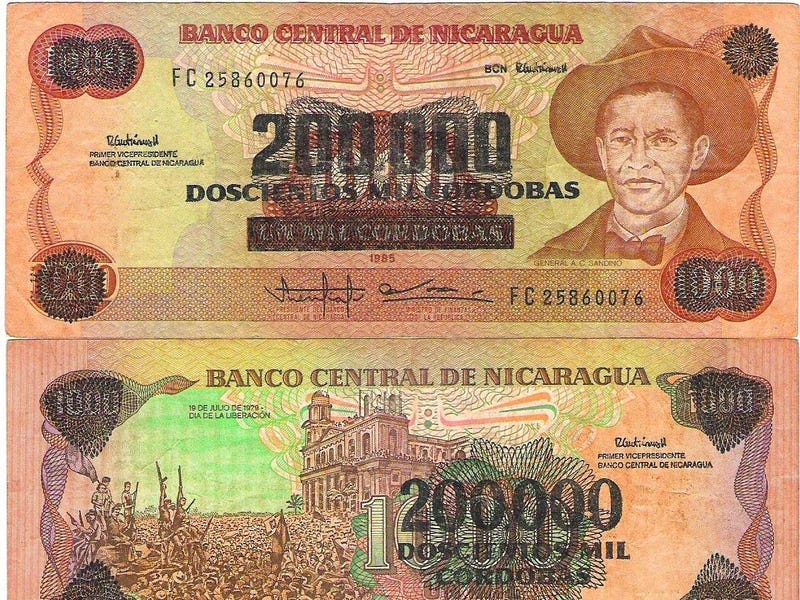
In the early 1980s, much of Latin America was riding the tailwinds of an economic boom. Governments had borrowed heavily, believing growth would continue. Public spending was generous. Imports were flowing. But the model was flawed – and fragile. External debt was denominated in U.S. dollars. As the Federal Reserve raised rates sharply under Paul Volcker to fight U.S. inflation, the cost of servicing that debt exploded. Suddenly, Latin American governments couldn’t roll over loans. Dollar reserves dried up. And instead of adjusting, many countries chose the easy way out: print money to cover deficits. That’s when everything began to spiral. I still remember the charts from that era. Argentina. Brazil. Peru. Bolivia. In each case, the same pattern: fiscal deficits ballooned, monetary expansion exploded, inflation turned exponential. And once that curve steepens – there is no gentle exit. Printing money is a political drug. It offers short-term relief, applause, and the illusion of control. But once expectations shift, once people no longer trust the value of money itself, the collapse is psychological – not just financial.
The Social Cost of Monetary Collapse
One of the most chilling aspects of hyperinflation is how it destroys the middle class. Savings evaporate. Pensions become worthless. Wages lose purchasing power between morning and evening. Economic planning becomes impossible. And people revert to survival logic. In Argentina, during the worst phases of the 1980s crisis, monthly inflation reached 200%. Prices were updated every few hours. Workers demanded to be paid daily. Contracts became meaningless. Barter returned in some areas. I once read a story about a doctor in Bolivia who bought a refrigerator in the morning – and saw the same model cost 30% more by dinnertime. Another about a Peruvian engineer who exchanged his entire paycheck for food before going home, because waiting until the next morning meant buying half as much. This isn’t just volatility. It’s a collapse of economic time – when the future becomes so unstable that the present becomes unbearable.
The Myth of Inflation as a Technical Problem
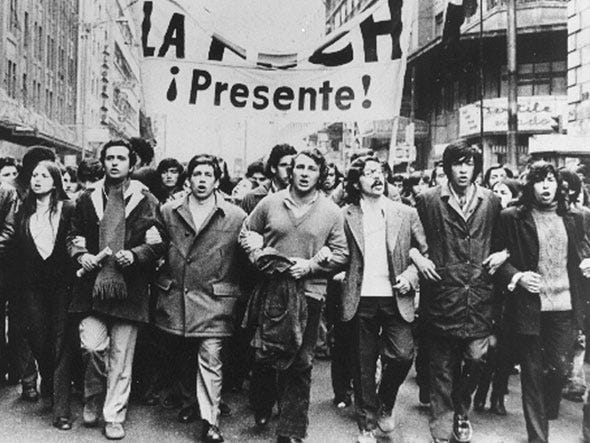
The hyperinflation of the 1980s destroyed a dangerous idea: That inflation is a minor issue, solvable with tweaks to interest rates. It’s not. Not when it becomes embedded in expectations, wages, contracts, and political behavior. Not when institutions are too weak to anchor credibility. Not when fiscal policy is untethered from reality. What I learned from Latin America’s experience is this: inflation is never just about prices – it’s about trust. Trust in money, in government, in the future. And when that breaks, fixing it requires pain, sacrifice, and time. Eventually, countries like Argentina and Brazil implemented stabilization plans. Some introduced currency reforms. Others adopted dollar pegs. The IMF stepped in. But the scars remained. And for decades, citizens carried a deep skepticism of banks, budgets, and politicians. Even today, I see echoes of this dynamic in countries flirting with fiscal populism and monetary experimentation. The warning signs are always there – rising deficits, politically driven interest rate policies, erosion of central bank independence.
Final Reflection
The myth that inflation is a soft problem – one that can be managed through optimism and small tweaks – died in Latin America during the 1980s. What replaced it was a harsh truth: you cannot print your way out of structural dysfunction. You can only postpone the reckoning – and make it worse. Since then, I’ve learned to read inflation not just as data, but as narrative. Who’s in control? Are they trusted? Is policy coherent – or is it compensating for deeper flaws? Because when inflation gets out of control, the market doesn’t just reprice assets.
It reprices belief. And once that happens, rebuilding is measured not in quarters, but in generations.
Market analyses you can’t miss
Why This Macro Rally Could End in a Disaster 2. Trump’s $3 Trillion Trade Shock 3. Disaster is arrived