

Dear Investors,

Forward Guidance: From Tools to Theater
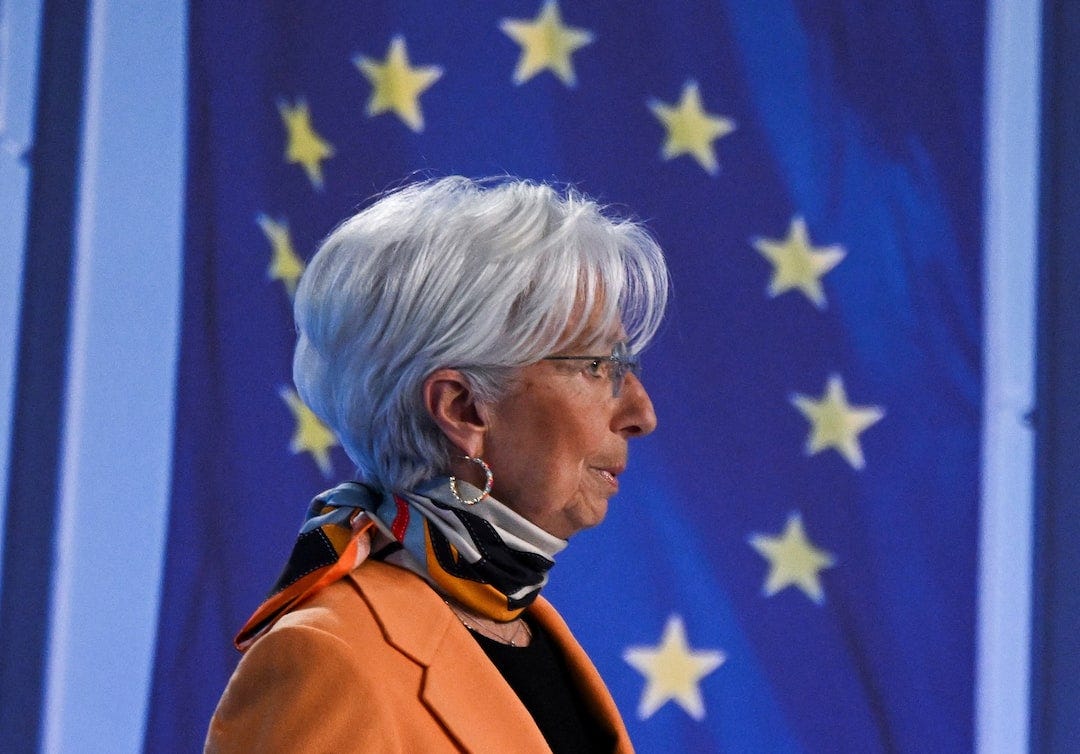
When I started analyzing central banks more seriously, I thought the most important days were the ones when rates changed. I was wrong. The most market-moving days, I realized, were often those when nothing changed – except the language. Enter forward guidance: the strategic use of communication to shape market expectations about future policy. It’s one of the most powerful – and misunderstood – tools in the modern central banker’s arsenal. And Lagarde has refined it into an art. Since taking over the ECB in late 2019, Lagarde has navigated the Eurozone through a pandemic, energy shocks, supply chain breakdowns, and the return of inflation. And yet, in many moments, she hasn’t acted through policy – but through carefully crafted messaging. I remember a press conference in December 2021. Inflation in the Eurozone was surging past 5%, and markets expected a hawkish pivot. But Lagarde’s tone was calm, even measured. She used phrases like “temporary pressures” and “gradual normalization”. That choice of words – soft, deliberate, forward-looking – cooled expectations without touching rates. And it worked. Bond yields stabilized. The euro weakened slightly, supporting exports. All without a single policy move. This is how narrative becomes a macro tool.
Leadership Through Language
Lagarde’s strength lies in her ability to blend policy with perception. She doesn’t just deliver technical guidance – she tells a story. She speaks to governments, markets, and households at the same time, using a mix of clarity, empathy, and control. She often repeats phrases like “we are data-dependent, not date-dependent”, subtly reminding markets that flexibility – not rigidity – is the rule. This wording gives her room to maneuver, without committing prematurely. It’s a classic Lagarde move: say just enough to shift expectations, but not enough to trap the ECB in a corner. This narrative control is especially critical in Europe, where the ECB must balance the divergent interests of 20 member states. Germany wants hawkish discipline. Southern countries seek growth-friendly liquidity. Lagarde’s messaging must hold the center. I’ve watched her neutralize hawkish pressure not with denial, but with context. She’ll acknowledge inflation risks – but frame them as manageable. She’ll highlight uncertainty – but pair it with commitment. These rhetorical moves anchor markets by calming extremes. This isn’t spin. It’s strategy. And for investors, it’s a masterclass in how words create volatility – or prevent it.
What I Learned Watching the Pressers
I used to ignore press conferences. I’d just check the rate decision and move on. But over time, I realized I was missing something huge. The biggest market moves often came during the Q&A – not the statement. And Lagarde is a perfect example of why. I remember March 2022, when inflation began to entrench. The ECB had to pivot hawkishly – but couldn’t afford to trigger panic. Lagarde’s wording was precise: she talked about “intensified monitoring” and “upward revisions to risk assessments.” Subtle clues. But the market picked them up. German bund yields jumped 10 bps within the hour. Now, I treat every Lagarde presser like an earnings call. I listen not just for what she says – but how she says it. Rising urgency? Cautious optimism? Defensive tone? The voice often speaks louder than the text. I even track key phrases she repeats over time. A shift from “persistent pressures” to “broadening pressures”, for example, often signals a move from wait-and-see to prepare-to-act. These linguistic breadcrumbs are not trivial – they’re positioning signals for trillions in capital.
What This All Means
Christine Lagarde reminds us that macro isn’t just about math – it’s about meaning. Central bankers are no longer just economists. They’re narrators of uncertainty, architects of trust, and – whether they like it or not – performers on the global stage. The lesson is simple: language is policy. Don’t just read the rate decision. Listen to the tone. Watch the eyes. Track the evolution of key words. Ask yourself: What belief is the central bank trying to shape? Because shaping belief is the first step in shaping reality. Next week, we’ll step into the mind of Warren Buffett – the oracle who says macro doesn’t matter. But does it? Or has he simply mastered a different kind of timing?
Market analyses you can’t miss
Why This Macro Rally Could End in a Disaster 2. Trump’s $3 Trillion Trade Shock 3. Disaster is arrived