
Dear Investors,

A Boom Fueled by Easy Money
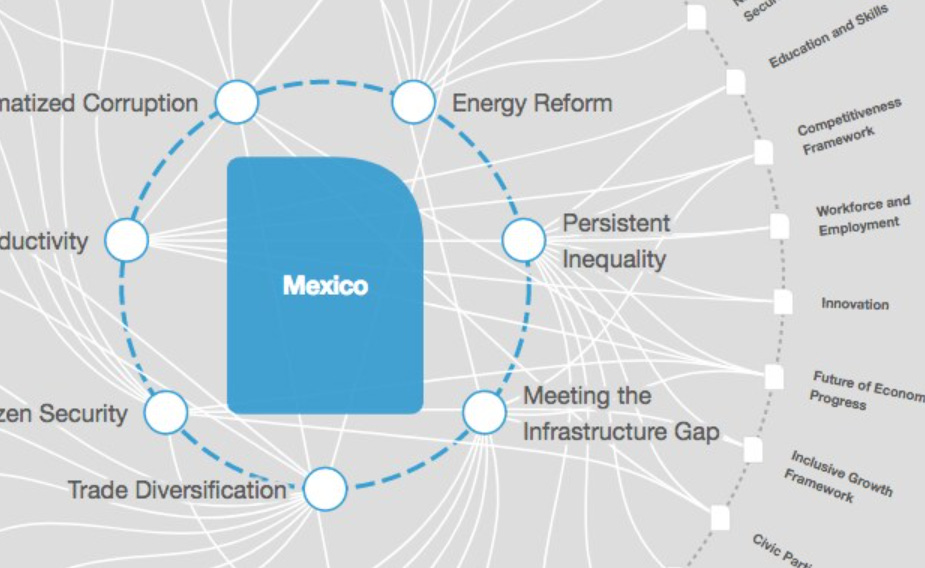
The late 1970s were good to Mexico. Oil discoveries had catapulted the country into a new era of confidence. Global banks, flush with petrodollars, were eager to lend. And Mexico? It was eager to borrow – mostly in U.S. dollars. From the outside, it looked like progress. GDP was climbing, infrastructure projects were booming, and politicians promised a brighter, richer future. But beneath the surface, there was a dangerous mismatch growing between short-term dollar liabilities and long-term peso revenues. No one seemed to mind. As long as U.S. interest rates stayed low and oil prices stayed high, the illusion held. But illusions don’t last long in macroeconomics. In the early 1980s, the U.S. Federal Reserve, led by Paul Volcker, launched a ruthless interest rate campaign to crush inflation. Dollar borrowing costs soared. And at the same time, oil prices fell. For Mexico, it was a perfect storm. By August 1982, the country could no longer pretend. It announced it couldn’t service its debt. The first domino had fallen.
The Global Wake-Up Call
When Mexico defaulted, it wasn’t just a sovereign crisis. It was a systemic one. The world suddenly realized how overexposed international banks were – especially American and European ones – to emerging market debt. There were no circuit breakers back then. No playbook. Just fear.
Policymakers scrambled. The IMF rushed in with emergency funds. The U.S. Treasury coordinated bailouts. And commercial banks were forced to “extend and pretend,” renegotiating loans to avoid recognizing losses. It was the birth of the modern sovereign bailout structure. But it wasn’t just about saving Mexico. It was about saving the banks. And the system. The ripple effects were massive. Capital fled Latin America. Interest rate risk became political risk. Sovereign creditworthiness was no longer a given – it had to be earned, rated, and priced. This wasn’t just about Mexico anymore. It was about every country borrowing in someone else’s currency.
The Dollar Trap – and the Myth That Died
The crisis shattered the idea that countries can safely borrow in foreign currency indefinitely. Mexico had been growing, yes. But it was growing on someone else’s terms. And when those terms changed – when the dollar strengthened, when interest rates spiked – it lost control. That’s the real lesson here: if you borrow in a currency you don’t print, you borrow vulnerability. You borrow exposure to external monetary policy, to capital flight, to investor panic. The world started pricing that risk more carefully after 1982. Sovereign spreads became real. Rating agencies gained power. And global macro investors learned to ask tougher questions: Is this country borrowing too much in dollars? Are its reserves adequate? What happens if the Fed tightens? To this day, that framework still guides how we view countries like Turkey, Argentina, and even more developed markets under stress. It’s not just about the numbers. It’s about the mismatch between control and obligation.
Final Reflection
When I first studied the Mexican debt crisis, I was looking for a story about default. What I found was a story about dependence. About how growth, when built on cheap external funding, carries hidden fragilities. Mexico didn’t default because it was poor. It defaulted because it was overleveraged in the wrong currency, at the wrong time, under the wrong assumptions. And what struck me most was how preventable it all seemed – in hindsight. That’s why I return to this moment often. Because the conditions that led to the 1982 collapse aren’t historical artifacts. They’re recurring patterns. I’ve seen them in Greece. In Turkey. In Sri Lanka. In markets where optimism blinds policymakers and investors alike to the structural risks beneath the surface. So, next time you hear someone say, “This country can’t default,” I want you to pause. Think back to Mexico. Think about dollar debt. Think about confidence – and how quickly it vanishes. That’s how you begin to see macro risk clearly. That’s how you protect capital when others are still chasing illusions.
Market analyses you can’t miss
Why This Macro Rally Could End in a Disaster 2. Trump’s $3 Trillion Trade Shock 3. Disaster is arrived