

Dear Investors,
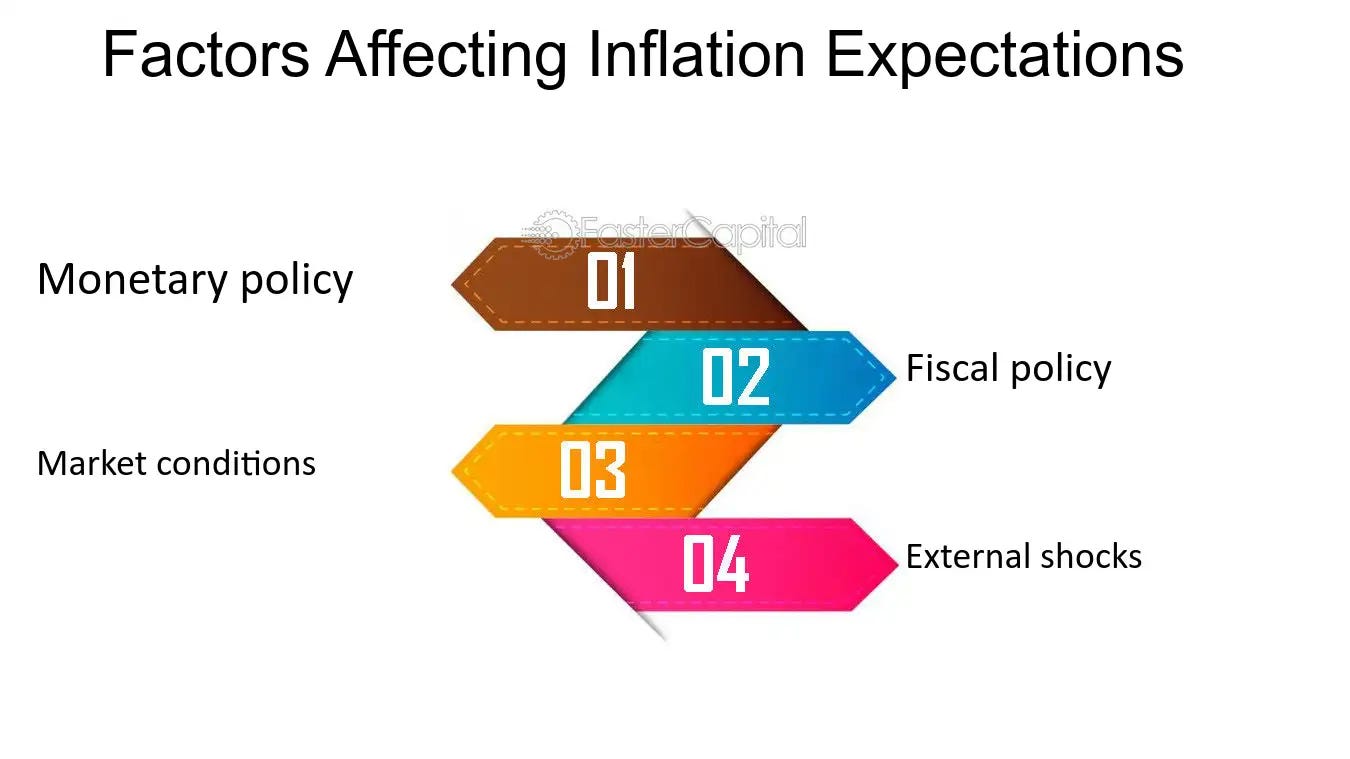
Inflation expectations play a pivotal role in guiding market sentiment, influencing bond yields, and shaping central bank decisions.
Whether inflation expectations are anchored or unanchored determines not only monetary policy effectiveness but also broader economic stability.
Understanding this dynamic is crucial for navigating today’s volatile financial landscape. 🌍📊
Let’s explore how inflation expectations influence markets and what this means for investors and policymakers. ⏳
Impact on Bond Yields
Inflation expectations directly affect bond markets.
When inflation expectations increase, bond yields typically rise as investors demand higher returns to offset the expected erosion of purchasing power.
Conversely, declining inflation expectations can lower bond yields, reflecting reduced economic growth prospects.
In 2021, rising U.S. inflation expectations drove 10-year Treasury yields up from 0.93% to over 1.70%, highlighting the sensitivity of bond markets to inflation trends. 📈
Influence on Central Bank Policy
Central banks aim to anchor inflation expectations to maintain economic stability.
When expectations remain well-anchored, policymakers have greater flexibility in responding to economic shocks.
However, unanchored expectations can force aggressive rate hikes or other measures, increasing economic uncertainty.
During the 1970s, unanchored inflation expectations led to runaway inflation and aggressive monetary tightening, underscoring the importance of central bank credibility. 🌍📉
Market Sentiment and Risk Assets
Inflation expectations also influence risk assets such as equities and commodities.
Rising expectations may initially boost commodity prices, particularly in sectors like energy and metals, as investors hedge against inflation.
However, sustained unanchored expectations can weigh on equities due to the higher discount rates applied to future earnings. 📊
Visions of Tomorrow
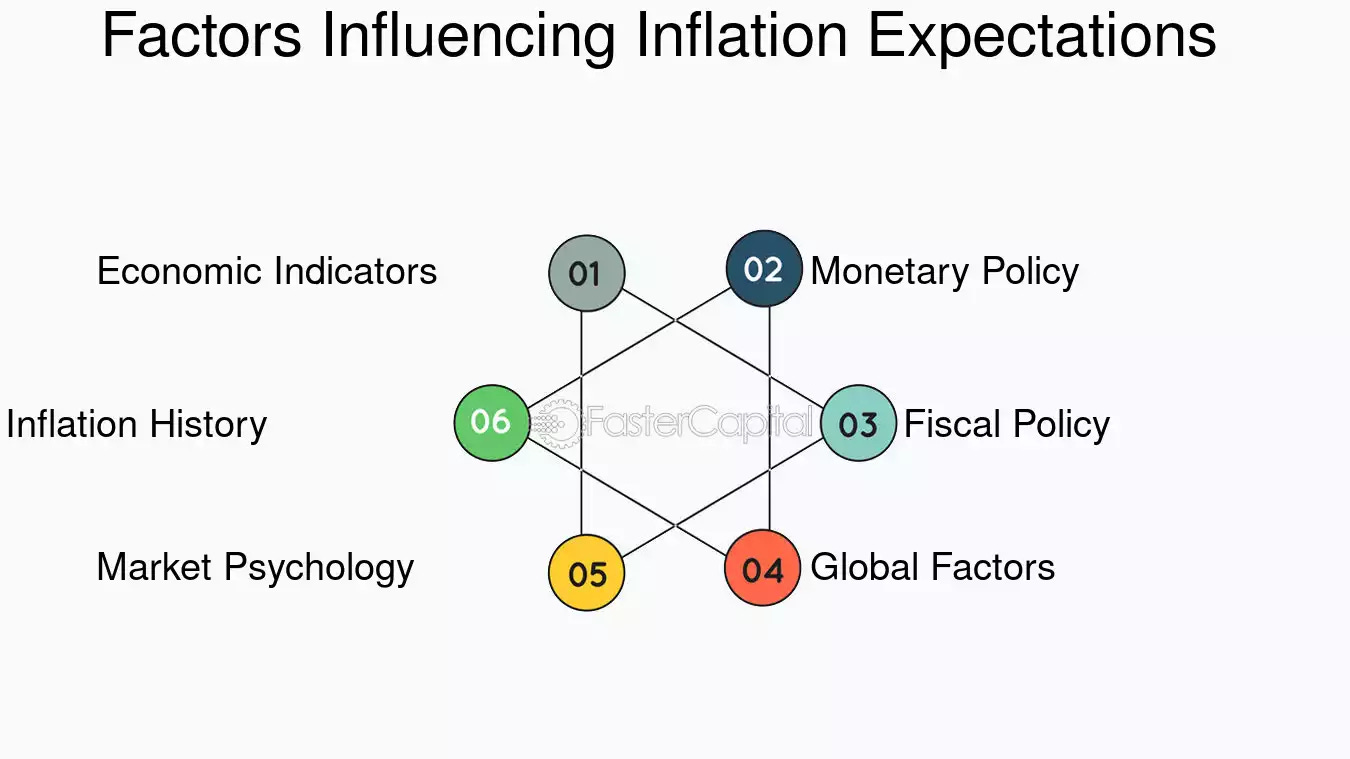
Inflation expectations will remain a focal point for markets and policymakers, especially in the current environment of elevated price levels.
Volatility in oil and gas prices, persistent wage pressures, and closer collaboration between central banks and governments are likely to influence the trajectory of inflation expectations. 🌱💼
How I’m Positioning for Inflation Trends
To navigate the impact of inflation expectations, I focus on strategies that balance risk and opportunity.
Investing in Treasury Inflation-Protected Securities (TIPS) provides a hedge against rising price levels, while allocating to gold, energy, and real estate offers resilience in inflationary environments.
Additionally, favoring sectors like healthcare and consumer staples ensures stability during volatile periods. 🏠
Bonus Lesson to Remember
Inflation expectations are a cornerstone of market sentiment and monetary policy.
By understanding their influence, investors can align strategies with prevailing economic conditions. 🌍📉
For me, navigating inflation dynamics involves a proactive approach to balancing growth and stability.