
Dear Investors,
The era of ultra-low interest rates is over, and central banks are signaling a shift to a ‘higher-for-longer’ rate environment.
This prolonged period of elevated rates is reshaping the dynamics of corporate debt, real estate, and global growth.
Understanding the implications of sustained high rates helps investors and businesses navigate this challenging economic landscape. 📈💼
Let’s examine how higher-for-longer interest rates affect key sectors and what this means for the global economy. ⏳
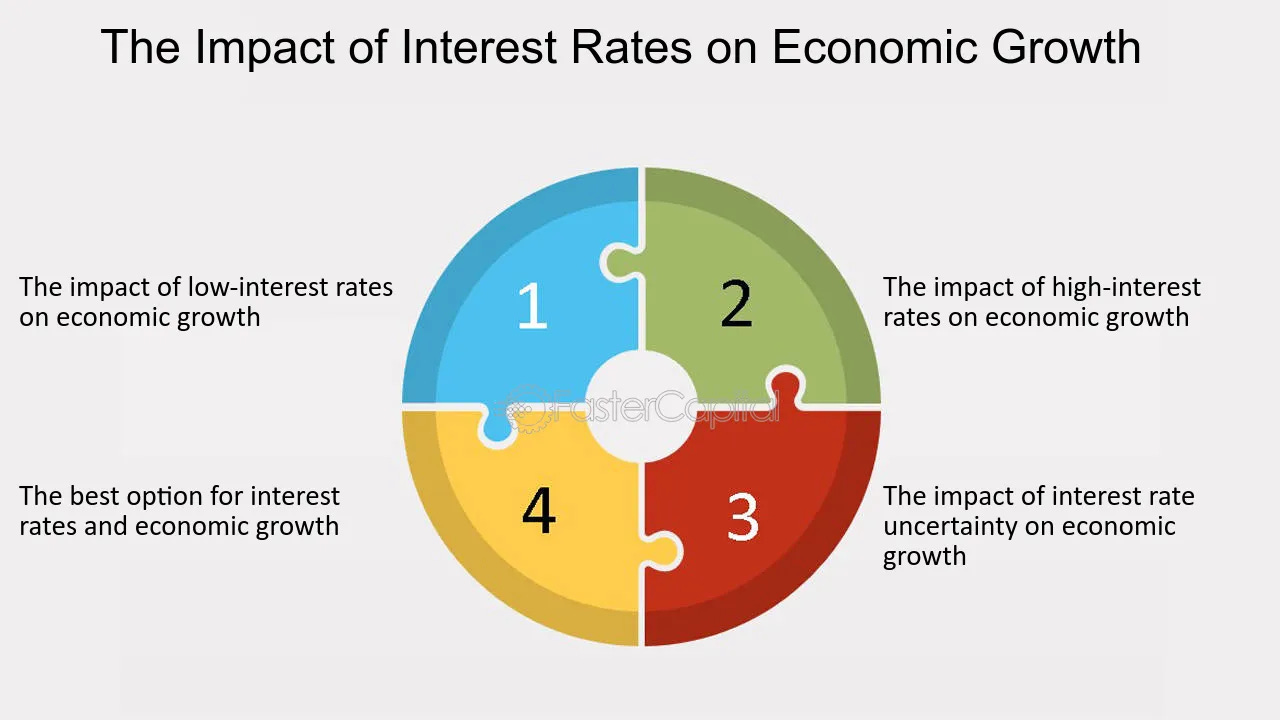
Why Are Interest Rates Higher-for-Longer?
Central banks, including the Federal Reserve, have implemented aggressive rate hikes to combat persistent inflation.
Unlike previous cycles where rates dropped quickly post-crisis, policymakers are now emphasizing the need for sustained high rates to ensure price stability.
The Fed’s benchmark rate has risen to 5.25%-5.50%, the highest in over two decades, with projections indicating it could remain elevated through 2024. 🌍📊
Impact on Corporate Debt
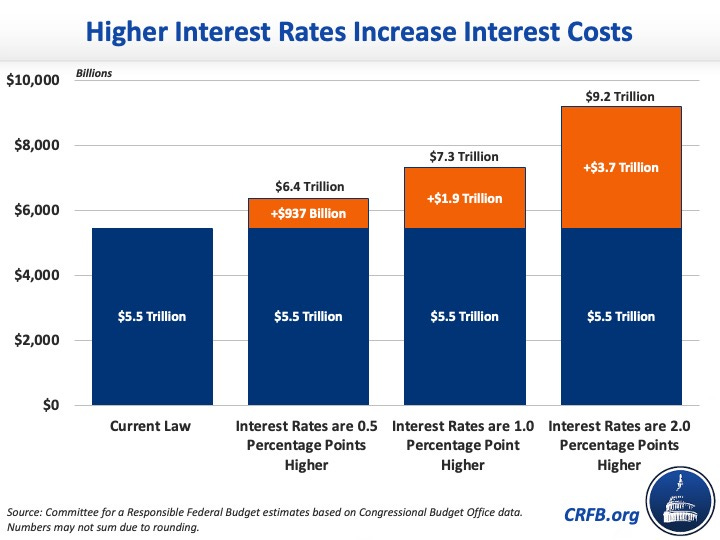
Prolonged high rates are increasing borrowing costs for businesses, especially those reliant on debt refinancing.
Companies with floating-rate debt are experiencing significant cost pressures, with some seeing expenses increase by over 30% compared to pre-pandemic levels.
Higher borrowing costs are also pushing firms to raise capital through equity rather than debt, diluting shareholder value but reducing leverage risks.
Industries with high leverage, such as utilities and consumer discretionary, are particularly vulnerable, while sectors with low debt levels, like technology, may fare better. 🏦📉
Impact on Real Estate
The real estate sector is among the hardest hit by sustained high rates.
Mortgage rates exceeding 7% in some markets have reduced affordability, with housing demand falling by as much as 20% in key regions.
Elevated rates have also dampened investment in office spaces and retail properties, particularly in urban centers already affected by remote work trends. 🏡📉
Global Growth Implications
Higher-for-longer rates are creating ripple effects across the global economy.
Nations with dollar-denominated debt face heightened repayment challenges, increasing the risk of defaults.
Meanwhile, the International Monetary Fund (IMF) has revised global growth forecasts downward, with advanced economies expected to grow by just 1.5% in 2024. 📉
Visions of Tomorrow
As the higher-for-longer narrative unfolds, several trends will shape the economic landscape.
Despite higher rates, robust labor markets in some regions may sustain consumer spending, albeit at moderated levels.
Firms will likely pivot toward cost-cutting and operational efficiency to mitigate rising financing costs.
While central banks may eventually adjust their stance if economic pressures escalate, significant rate cuts appear unlikely in the near term. 🔄📊
How I’m Positioning for Prolonged High Rates
To navigate the challenges of sustained high rates, I focus on strategies that balance risk and opportunity.
Allocating to short-duration bonds provides stable returns with less sensitivity to rising rates.
Investing in companies with strong balance sheets and consistent cash flows, particularly in consumer staples and healthcare, offers resilience.
Additionally, real assets like gold and infrastructure investments can hedge against inflationary pressures while preserving value. 🏗️
I also monitor central bank communications and macroeconomic indicators to anticipate policy shifts and adjust my portfolio accordingly.
Bonus Lesson to Remember
Higher-for-longer interest rates underscore the importance of adaptability in investment strategies.
By understanding their effects, investors can position themselves to mitigate risks and capitalize on emerging opportunities. 🌍💼
For me, navigating this environment means focusing on resilience and long-term growth.