
Dear Investors,
Bonds Aren’t Boring – They’re Predictive
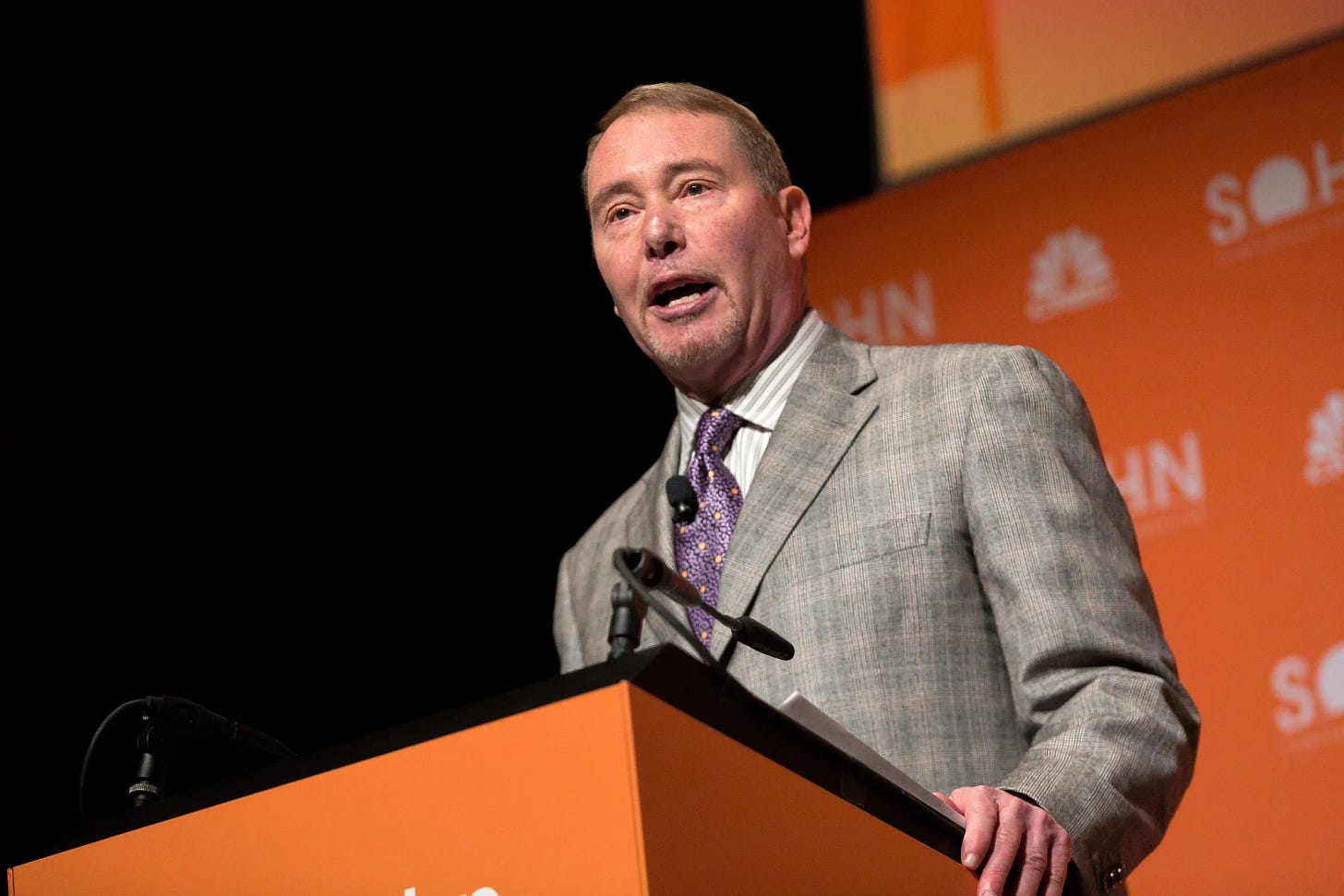
When I first entered the world of macro, I – like most people – focused almost entirely on equities. They’re exciting. They’re visual. They move fast. But the more I studied market history, the more I saw a different pattern emerge. The most important shifts in the global economy – the ones that changed regimes – were first visible in bond yields. Jeff Gundlach has said repeatedly: “The bond market is smarter than the stock market.” At first, I thought it was just a soundbite. Then I looked at the data. Take the 2007-2008 crisis. While equities rallied into October 2007, the yield curve had already inverted months earlier. Long-term Treasury yields were signaling deteriorating growth expectations and rising stress. By the time equities figured it out, the housing market was already collapsing. The same happened in 2018. Equities were euphoric until the bond market started pricing in policy missteps. The yield curve flattened, then inverted. Recession fears rose. Stocks collapsed in Q4. And in 2022, while many analysts still called inflation “transitory,” yields began to rise violently – pricing in a hawkish Fed long before Powell confirmed it. Gundlach was one of the first to say that real rates would have to rise much faster, and that the Fed was behind the curve. He wasn’t guessing – he was listening.
What Makes Gundlach Different
Gundlach’s edge doesn’t come from flashy models. It comes from macro fluency in fixed income. He sees the bond market not as a passive pricing mechanism, but as a feedback loop between policy, growth, and investor expectations. He looks at the spread between high-yield and Treasury bonds to measure stress. He watches the 2s10s curve not just for inversion, but for velocity. He tracks TIPs yields to read real-time inflation expectations – not the CPI print, but what markets believe inflation will be going forward. More importantly, Gundlach understands that bond market moves are often leading indicators, not lagging ones. While equities react to sentiment, bonds reflect probability-weighted outcomes. The bond market doesn’t care about noise. It cares about solvency, cash flow, and policy credibility. And when yields spike or curves invert, it’s not random. It’s a re-pricing of risk – usually with consequences that equities only recognize later. This mindset changed how I track macro data. Instead of waiting for GDP prints or unemployment numbers, I watch real yields, credit spreads, and liquidity curves. Because those are the forecast. The rest is confirmation.
How I Apply Bond Signals to My Own Framework
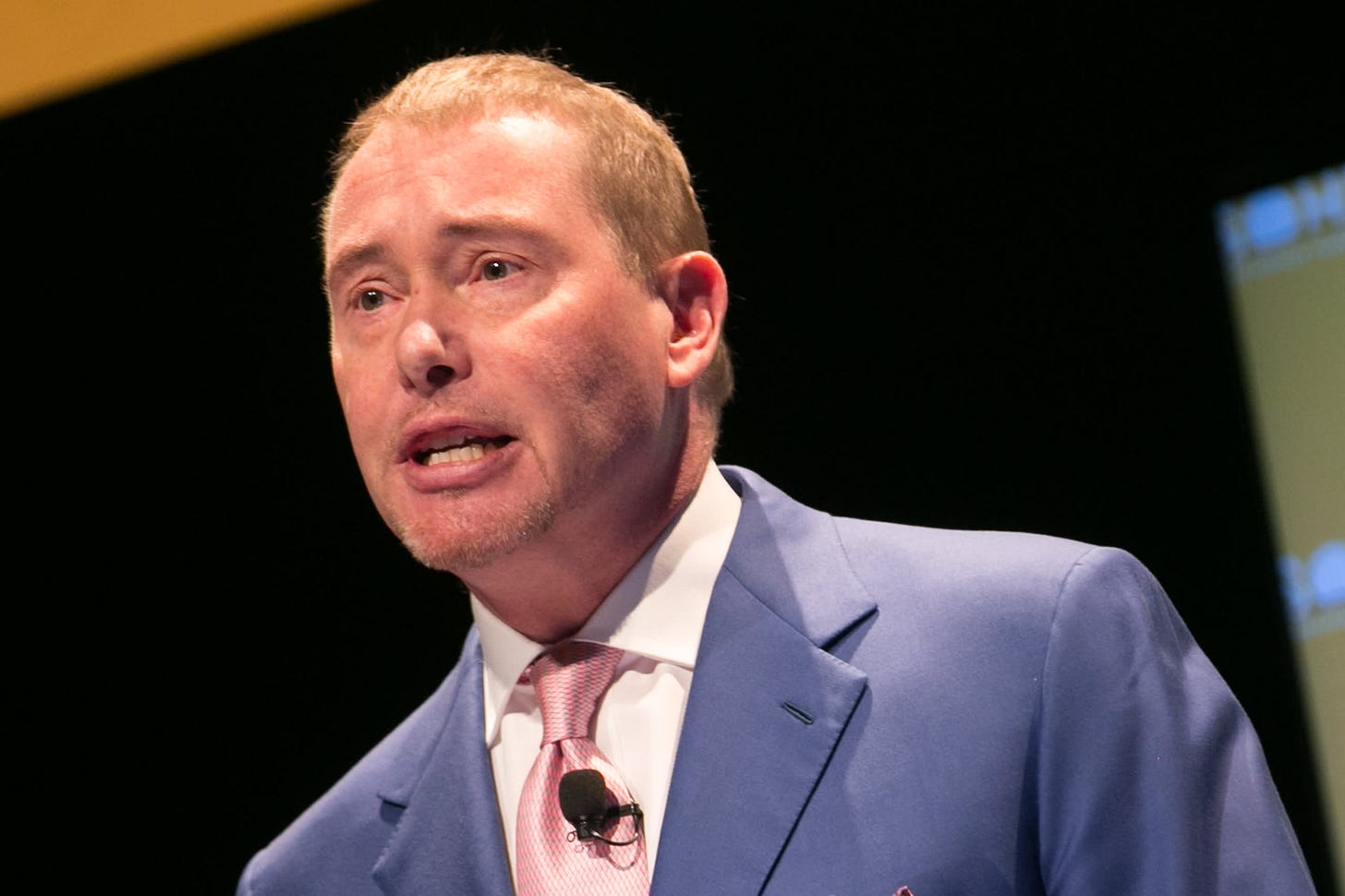
In early 2023, equity markets began pricing in a soft landing. Optimism returned. Tech stocks rallied. But I noticed something different in the bond market. The 2-year yield was still elevated, pricing in persistent Fed tightening. Meanwhile, the long end remained flat. The yield curve was still inverted – and deeply so. That told me the story wasn’t over. The bond market was whispering a warning: this isn’t resolved. And within months, volatility returned, especially in interest-rate sensitive sectors. Years earlier, in 2015, I watched emerging markets collapse under the weight of a rising dollar. Gundlach was one of the few warning about the global impact of Fed hikes on dollar-denominated debt. I followed that insight – not by making aggressive directional bets, but by de-risking exposure to fragile regions. It paid off. More recently, I’ve learned to use yield curves to manage timing. When curves steepen sharply after an inversion, it often signals the start of a policy pivot. That’s when risk assets tend to perform best. But when steepening is driven by long-end yields rising due to inflation fears – not falling short rates – it’s a different message: inflation isn’t done. Position accordingly. Understanding that nuance has helped me position earlier, exit smarter, and avoid the traps that headlines often miss.
What This All Means
Jeff Gundlach doesn’t trade hype. He trades structure. He doesn’t chase narratives – he dissects them through yields, spreads, and silent signals that most investors ignore. What I’ve learned from him is that in macro, you don’t need to predict the future – you need to recognize the re-pricing of it. And no market does that better than bonds. Don’t treat fixed income as a passive allocation. Treat it as your early warning system. Watch the curve. Watch real rates. Watch liquidity premiums. And when they move, ask why – because chances are, the economy is about to follow. Next week, we return to George Soros – but from a different angle. We’ll explore how he constructed trades not just around ideas, but around asymmetric payoffs – and why the best macro bets aren’t about being right, but about making more when you’re right than you lose when you’re wrong.
Market analyses you can’t miss
Why This Macro Rally Could End in a Disaster 2. Trump’s $3 Trillion Trade Shock 3. Disaster is arrived