
Dear Investors,
Europe on the Brink of Breakup
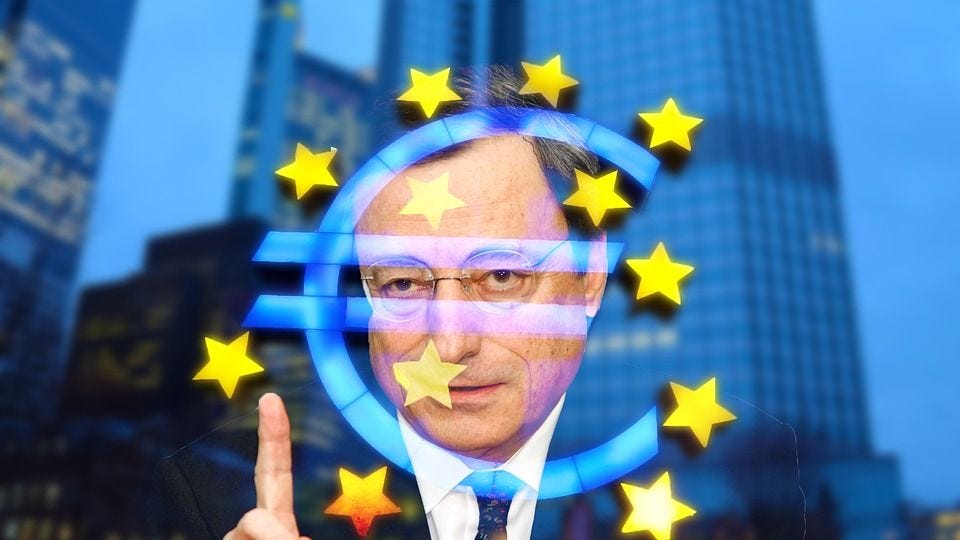
To understand the weight of that speech, you need to remember how dark 2012 felt in Europe. The global financial crisis had morphed into a sovereign debt crisis. Greece was already on its knees. Ireland, Portugal, and Spain were in turmoil. Italy’s bond yields were spiking. Capital was fleeing the periphery and flooding into Germany, pushing the eurozone toward a two-speed financial system. Investors began betting on which country would leave the euro first. There were real conversations – at the highest levels – about currency redenomination. The very foundation of European integration was crumbling under the weight of mistrust. And what made it worse was the institutional void: the ECB had a mandate for inflation, not stability. There was no political union behind the monetary one. And markets were starting to realize that a currency without a sovereign is vulnerable when the storm comes. Europe didn’t just need liquidity. It needed a spine.
When Words Move Trillions
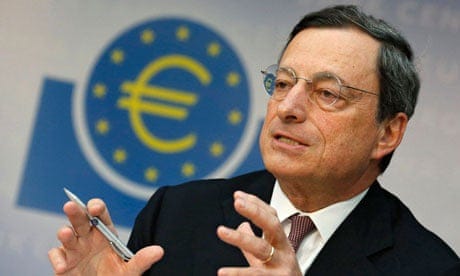
What made Draghi’s intervention so powerful wasn’t just the content. It was the clarity. In seven words – “whatever it takes to preserve the euro” – he changed the conversation. He didn’t explain a mechanism. He didn’t ask for permission. He simply anchored expectations. Behind the scenes, Draghi was preparing for a real intervention: Outright Monetary Transactions (OMT), a powerful bond-buying tool that would allow the ECB to purchase sovereign debt under strict conditions. But on that day, he didn’t need to show the tool. He just needed the world to know he had it – and was ready to use it. To me, this was one of the most elegant moments in financial history: a central banker restoring calm without spending a euro. Because he knew what markets needed most wasn’t liquidity – it was conviction. And conviction, when spoken at the right moment by the right person, can outweigh any balance sheet.
The Myth That Policy Must Always Be Action
The Draghi moment shattered an old idea: that central banks only influence through rates, QE, or capital controls. It proved that in moments of crisis, narrative becomes policy. In my own experience, this changed how I evaluate central banks. I no longer just look at their toolkits. I ask: Do they command belief? Do they speak with unity? Do markets trust their intent – even before they act? Because when a system is fragile, timing and tone matter more than tools. I saw echoes of this again during COVID in 2020, when the Federal Reserve rolled out facilities it hadn’t touched since 2008 – and markets stabilized before they were even used. Investors needed to know the safety net existed. Deployment was secondary. Draghi’s “whatever it takes” wasn’t just a European rescue. It was a global lesson in the psychology of money.
Final Reflection
There’s something deeply macro about that 2012 moment. Not just in its scale – but in its simplicity. Draghi didn’t save the euro by overwhelming the markets with data. He saved it by restoring narrative control. He showed that when leadership is strong and message is clear, markets can recalibrate faster than any model suggests. The myth that died that day was the idea that you always need to act to influence outcomes. In reality, clarity of commitment is often the most powerful form of intervention. Since then, whenever I analyze a market under stress – whether it’s a developing currency crisis or a crisis of confidence in a central bank. I ask: Is someone in charge? Are they speaking clearly? Do people believe them? Because in macro, the line between collapse and recovery often hinges on one thing: Do people believe someone will do whatever it takes?
Market analyses you can’t miss
Why This Macro Rally Could End in a Disaster 2. Trump’s $3 Trillion Trade Shock 3. Disaster is arrived