
Dear Investors,
The Eurozone on the Edge
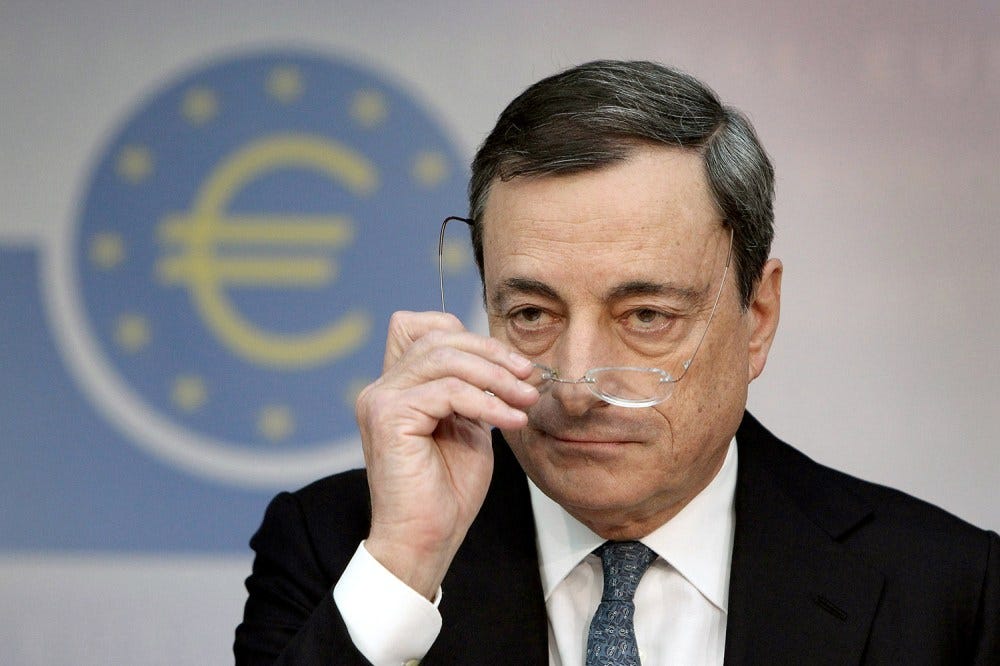
To understand the impact of Draghi’s words, you have to understand how fragile Europe was in 2012. Greece was in turmoil. Spain and Italy were facing soaring bond yields – above 7% in some cases. Investors feared not just default, but the breakup of the euro itself. Capital was fleeing the south, banks were under pressure, and the ECB seemed paralyzed by politics. Market participants had lost faith that the eurozone could – or would – hold together. It wasn’t just a debt crisis. It was a confidence crisis. And confidence, in macro, is collateral. Then came Draghi’s moment. Speaking at an investment conference in London – not even on eurozone soil – he delivered a message that cut through the noise. It wasn’t technical. It wasn’t long. But it was decisive. He understood something few leaders grasp in real time: markets don’t need immediate action – they need to believe action is coming. Draghi’s sentence didn’t stop the crisis because it solved Europe’s fiscal problems. It stopped the crisis because it signaled resolve. It created a floor under expectations – and that floor changed everything.
How Leadership Moves Markets
Draghi didn’t pull that phrase out of thin air. He understood the architecture of the moment. He saw that markets had priced in policy paralysis. That each basis point of Italian and Spanish bond yield reflected a belief that no one was in charge. By declaring “whatever it takes,” Draghi flipped that narrative. He injected certainty into uncertainty. Shortly after the speech, the ECB followed through with the announcement of the OMT (Outright Monetary Transactions) program – a mechanism that allowed the ECB to buy sovereign bonds of struggling eurozone countries conditionally. But the truth is, the OMT was never used. The speech alone was enough. That’s what made the moment so powerful: Draghi changed behavior without changing policy. He shifted the psychology of the market, which in turn shifted capital flows, spreads, and confidence – creating a virtuous cycle of stabilization. This was, to me, one of the most brilliant examples of macro leadership. Not reactive. Not technical. But psychological and strategic.
What I Learned from Draghi’s Silence and Strength
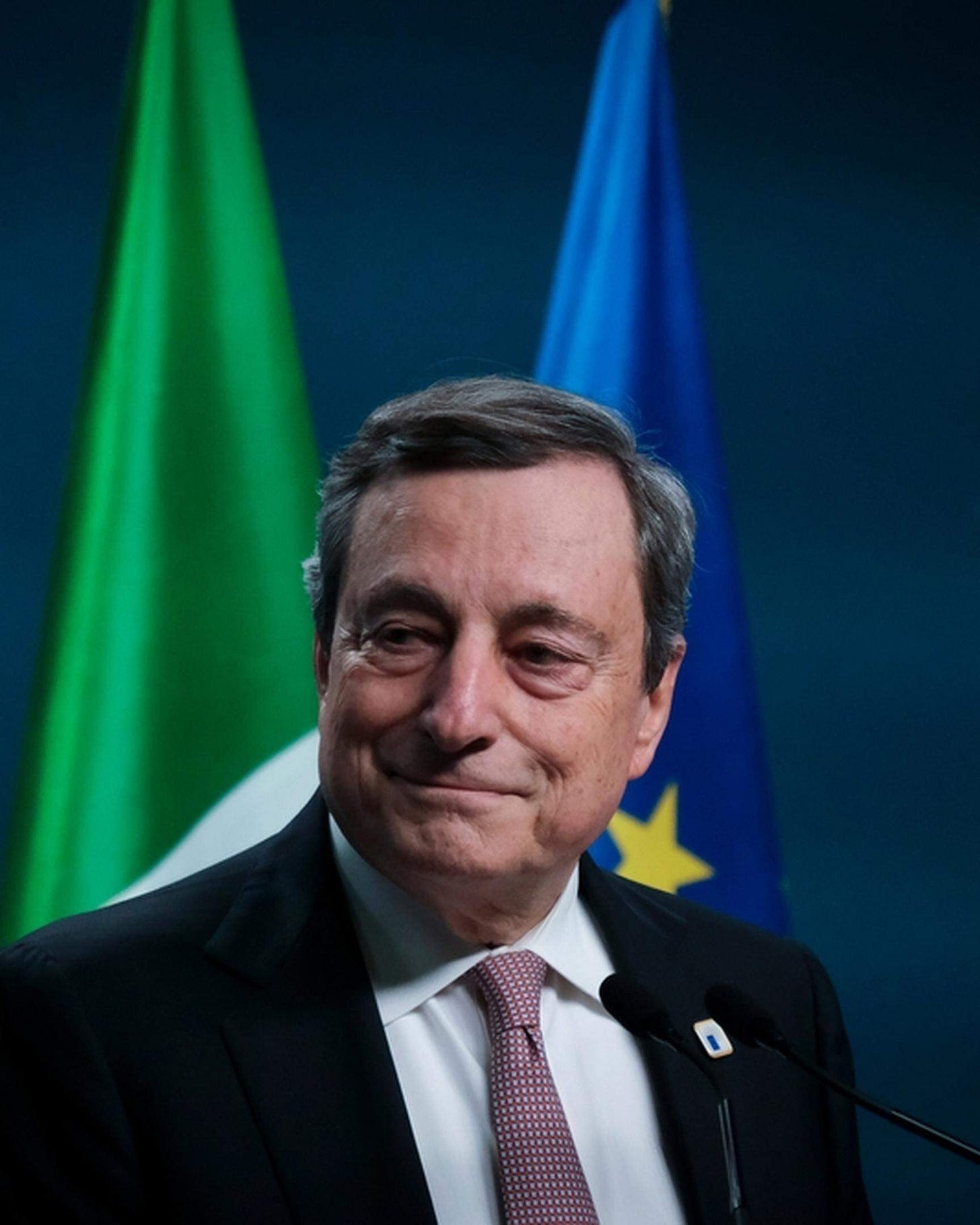
Before I studied this moment deeply, I underestimated the power of perception management in macro. I used to think market stabilization came only from balance sheets – rate hikes, QE, fiscal guarantees. But Draghi taught me that markets are ultimately belief systems. And that belief can be shaped by words – when those words are delivered with credibility, timing, and authority. Since then, I’ve paid close attention to how central banks communicate in times of stress. Do they inspire confidence – or reveal hesitation? Are their messages designed for impact – or diluted by compromise? When the Bank of England intervened in 2022 to stop a UK bond market meltdown, they echoed Draghi’s method – swift, clear, and unconditional. That move calmed markets almost instantly. I’ve also learned to apply this logic in investing: when panic takes over, ask yourself, what is the market waiting to believe again? Sometimes the biggest turnarounds don’t begin with a policy shift – they begin with a sentence. A promise. A signal that someone is willing to act with conviction. And if that signal is credible, the market does the rest.
What This All Means
Mario Draghi didn’t save the euro with a policy tool. He saved it with belief. He understood that in macroeconomics, confidence is leverage, and that a leader’s ability to shape expectations can be more valuable than any bond-buying program. Don’t just study what central banks do – study how they frame their actions. Look for signals of commitment. And when credibility aligns with clarity, don’t underestimate the power of narrative to change the macro path. Next week, we’ll return to the world of investing with a look into Howard Marks and his powerful concept of second-level thinking – a mindset that separates the average from the exceptional in every market regime.
Market analyses you can’t miss
Why This Macro Rally Could End in a Disaster 2. Trump’s $3 Trillion Trade Shock 3. Disaster is arrived