Dear Investors,
What if the real edge in macro wasn’t your idea – but the size of your bet?
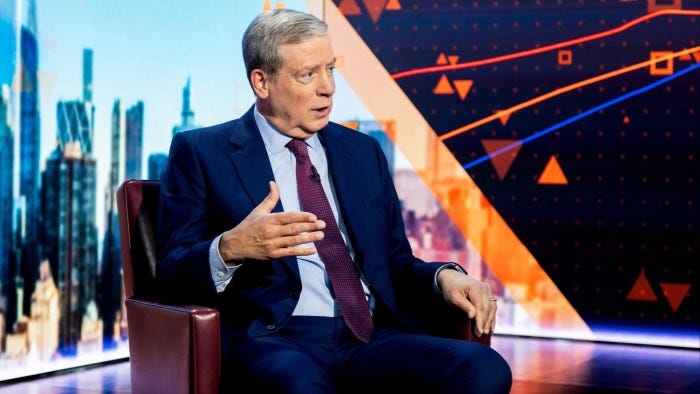
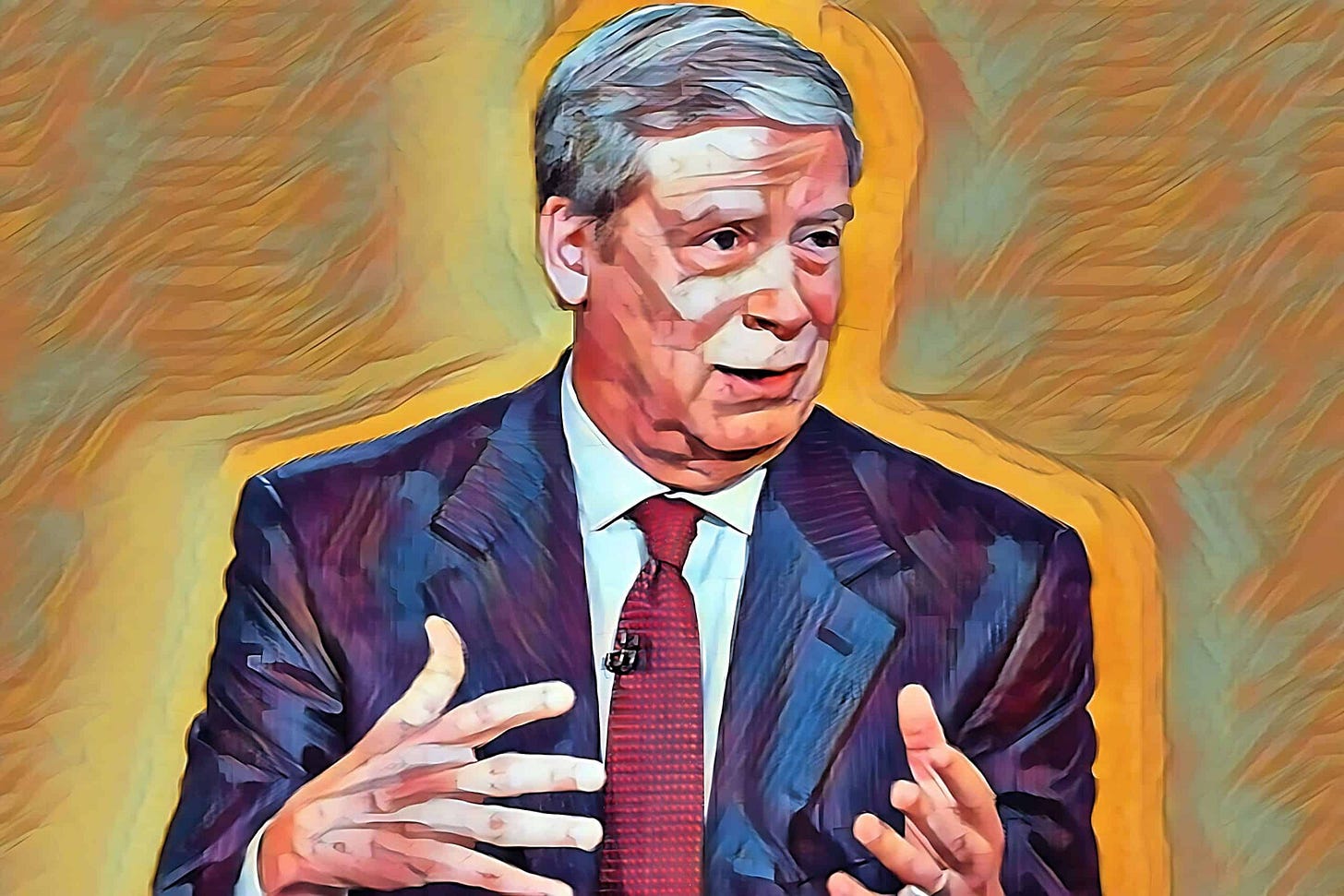
In this lesson, we step into the mindset of Stanley Druckenmiller – arguably one of the most consistent and aggressive macro traders of the last 40 years.
Druckenmiller didn’t build his fortune by diversifying endlessly or playing defense.
He built it through conviction. Through the willingness to size up massively when the odds were in his favor.
Through understanding that in macro, timing and sizing can make or break your returns.
Today, we’ll explore what makes Druckenmiller’s approach so different, how he managed to average 30% annual returns over three decades without a single losing year at Duquesne, and how this risk-on mindset can sharpen your own strategy.
The Power of Concentrated Conviction
When I first studied Druckenmiller’s track record, I was stunned.
This wasn’t just good performance – it was almost unreal. No losing year. Not one. And not because he was conservative – but because he was strategically bold.
He often said, “It takes courage to be a pig.” That line stuck with me. It sounds arrogant, even reckless. But it’s not. It’s about calibrated aggression.
What Druckenmiller did differently was this: when he had high conviction, he bet big.
He didn’t average in. He didn’t wait for consensus. He sized up fast and heavy – because he knew that in macro, edge is fleeting.
And if you hesitate, you miss the window.
Think back to 1992 – yes, the same Black Wednesday where Soros shorted the pound.
Druckenmiller was the one who pushed the idea inside the Quantum Fund.
Soros gave him the green light, and they went all-in with $10 billion. The result? Over $1 billion in profit from a single trade.
That wasn’t diversification. That was clarity and boldness.
Druckenmiller understood that true alpha doesn’t come from being right – it comes from being right when it matters most – and having the courage to act accordingly.
Knowing When to Step On – or Off – the Gas
Here’s where his brilliance really shines: it wasn’t just about taking risk. It was about knowing when to take risk.
Druckenmiller wasn’t always aggressive. In fact, he was incredibly selective. For most of the time, he was watching, waiting, observing the macro landscape.
But when the stars aligned – when policy, positioning, sentiment, and fundamentals clicked – he moved.
In his own words: “I’ve learned that when you have a thesis and the market confirms it, that’s the time to press – not when you first put it on.”
That idea transformed my approach.
I used to think conviction meant having a strong opinion.
But I’ve learned that real conviction means waiting for the market to validate your thesis – through price action, capital flow, or narrative shift – and then amplifying your exposure.
Druckenmiller didn’t guess. He waited for confirmation, then went all in.
In 1999, he saw the dot-com bubble and rode it up aggressively, knowing it was unsustainable. When the music stopped, he got out fast.
He wasn’t loyal to a view – he was loyal to performance. That’s a skill most investors never develop.
What I Took from Druck’s Playbook
Adopting a Druckenmiller-style mindset isn’t about becoming reckless. It’s about becoming intentional with risk.
I used to spread my capital across multiple ideas, thinking that more positions meant more safety.
But it often led to diluted returns. I wasn’t taking real risk – I was just staying busy.
After studying Druck’s method, I began to reframe my approach. I started asking: Which idea in my portfolio do I understand the best?
Which setup has the strongest fundamental case, the cleanest technical picture, and the most asymmetric reward?
Then, I started increasing my exposure to that idea. Not 2%. Maybe 15%. Sometimes 25%.
And I didn’t do it casually – I did it only when I had confirmation from the market itself.
In 2020, for example, I had strong conviction that real rates would collapse as central banks unleashed liquidity.
I took a large position in gold and long-duration tech – early, but not blindly. I waited for the breakout.
And when it came, I pushed the trade hard. That year, my performance tripled – not because I had more ideas, but because I had the right one, in the right size.
What This All Means
Stanley Druckenmiller didn’t just build one of the most impressive track records in finance. He built a philosophy – a mindset of intelligent aggression.
He taught us that diversification has its place, but it will never create greatness.
To generate outsized returns in macro, you must be willing to swing when it counts.
You must develop the courage to press your advantage – and the discipline to pull back when the odds aren’t there.
Stop asking how many trades you should have. Start asking how big your best trade should be.
Then ask yourself: What would Druckenmiller do in this moment?
Next week, we’ll turn to central banking – and to one of the most consequential figures in monetary history: Paul Volcker.
We’ll explore why credibility costs everything – and how it reshaped global markets for decades.