


Dear Investors,
The Collapse No One Saw Coming
When I first studied the Credit-Anstalt crisis, I expected some loud warning – a scandal, a political blow-up, a market crash. But it wasn’t like that. The signs were subtle. The bank, one of Austria’s oldest and largest, had been quietly absorbing bad loans from weaker institutions, growing more fragile by the day. Then, in May 1931, it all unraveled. The announcement was simple: Credit-Anstalt couldn’t meet its obligations.
But the implications were massive. In a Europe still reeling from World War I, where trust in governments and currencies was already weak, this single default sent a signal far louder than the news itself: if this bank can fail, any bank can. It was a spark. And Europe was dry tinder.
The Gold Standard Became a Prison
What turned a banking failure into a continental crisis was the rigid economic architecture of the time. Europe was still clinging to the gold standard – an outdated system that limited central banks’ ability to respond with flexibility or speed. As panic spread, capital fled from country to country. Hungary. Germany. Britain. Each saw rising withdrawals, collapsing confidence, and tightening credit. But none could print their way out. Monetary authorities were handcuffed by the need to defend gold reserves. The harder they tried to hold the peg, the faster liquidity vanished. Germany imposed capital controls. Britain broke ranks and abandoned gold altogether. The shock was so deep that even sound banks started to look suspicious. When liquidity dries up and trust fades, solvency becomes irrelevant – everyone’s at risk.
How Contagion Defies Geography
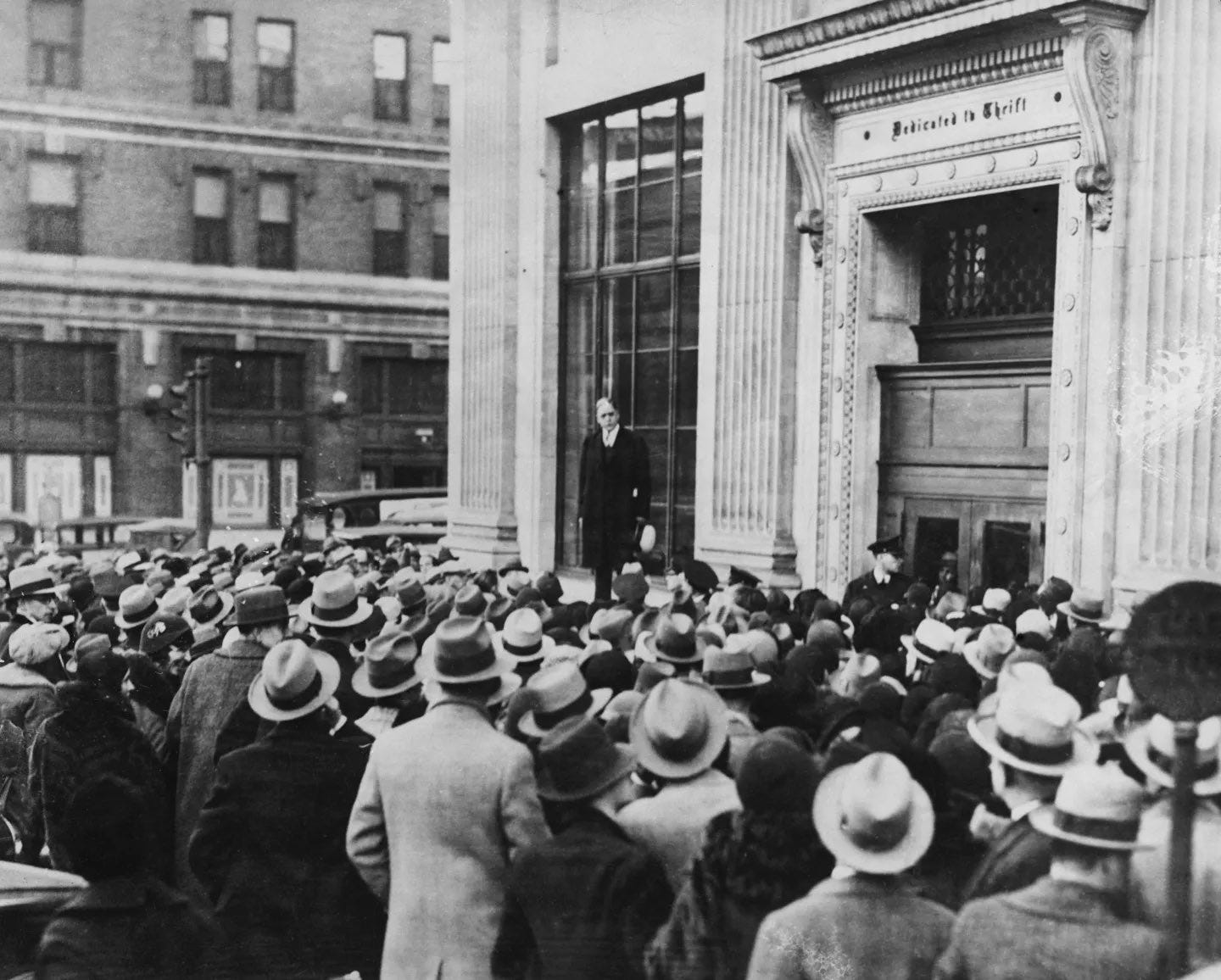
The most dangerous myth of this crisis was the belief that banking failures are contained within borders.
They’re not. What happened in Austria didn’t stay in Austria. It traveled – fast. Because banking is built on confidence, not concrete. And once that psychological foundation begins to crack, the rot spreads across oceans and time zones. I see echoes of Credit-Anstalt every time the world dismisses a “small” crisis. Whether it’s Southeast Asia in 1997, a Wall Street firm in 2008, or a regional U.S. bank in 2023 – the playbook is always the same. Markets don’t wait for facts. They react to fear. And if you’re caught assuming that distance equals safety, you’re already behind. That’s why this story stuck with me. It showed how fast the system can unravel when we build illusions of stability atop fragile institutions.
Final Reflection
The fall of Credit-Anstalt wasn’t just a banking story. It was a macro lesson in the limits of denial. Austria tried to paper over weakness. Europe tried to protect a failing system. Investors tried to believe that trouble wouldn’t cross borders. They were all wrong. And that’s what makes this story so useful today. The myth that banking problems are “someone else’s problem” is still alive in boardrooms, funds, and policy circles. But I’ve learned to see it differently. If a system is globally connected but locally fragile, every weakness is systemic. That doesn’t mean we should panic. It means we should prepare. When I read news about liquidity stress in one part of the world, I don’t ask, “Is this my exposure?” I ask, “Is this a signal?” Because that’s how you stay ahead. By thinking structurally, not sentimentally. The Austrian collapse taught us how fast trust can vanish. It’s up to us to remember that lesson – before the next bank reminds us the hard way.
Market analyses you can’t miss
Why This Macro Rally Could End in a Disaster 2. Trump’s $3 Trillion Trade Shock 3. Disaster is arrived