
Dear Investors,
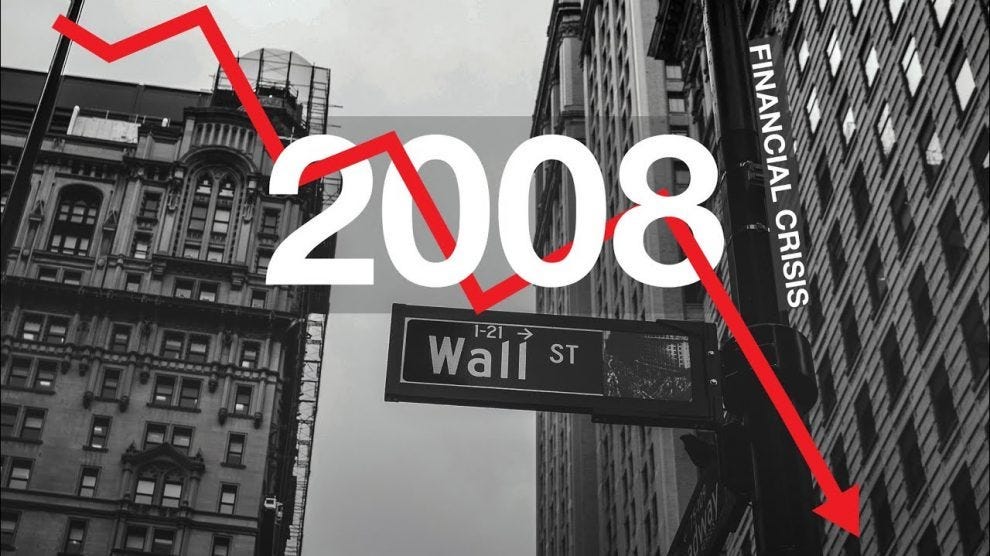
In this edition of “Macro Mistakes,” we dive deep into the Global Financial Crisis (GFC) of 2008, a catastrophe that reshaped the world economy.
The GFC teaches us the dangers of mortgage securitization, excessive leverage, and the interconnectivity of global financial institutions.
The Story
In the years leading up to 2008, U.S. financial institutions became heavily involved in issuing and securitizing subprime mortgages.
These high-risk loans were extended to borrowers with poor credit histories, fueling the U.S. housing boom.
Banks bundled these risky loans into mortgage-backed securities (MBS) and sold them to investors globally.
To further leverage, institutions created complex financial derivatives, such as collateralized debt obligations (CDOs), increasing exposure to these toxic loans.
At the height of the bubble, home prices were soaring, and the belief that real estate was a “safe bet” pushed more investors to pile into the market.
By 2006, housing prices started to decline, and subprime borrowers began defaulting on their loans in increasing numbers.
As defaults surged, the value of MBS and CDOs plummeted, sending shockwaves through the financial system.
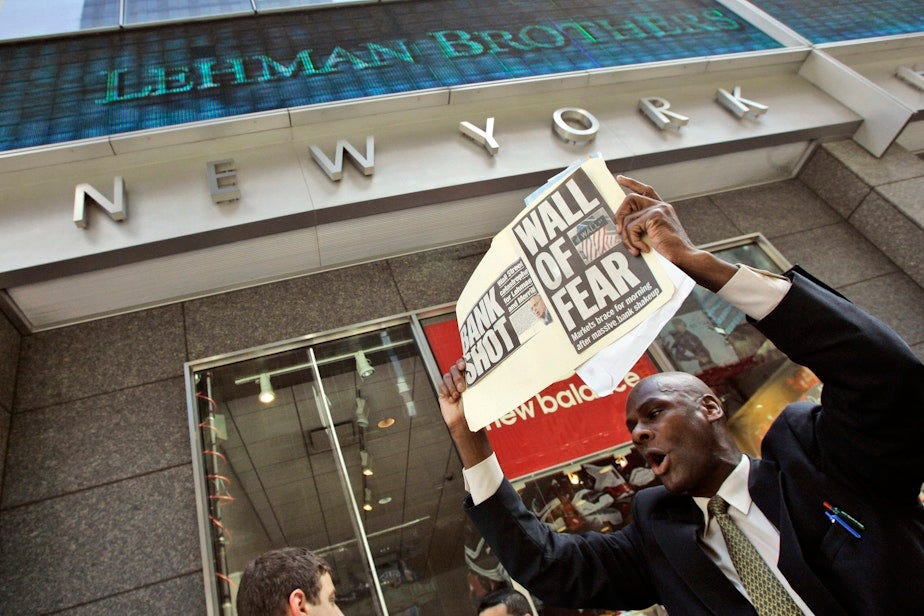
Lehman Brothers, one of the largest U.S. investment banks, held massive exposure to MBS and CDOs.
On September 15, 2008, Lehman Brothers filed for bankruptcy, triggering panic across global markets.
The crisis led to a collapse in confidence in the global financial system, with credit markets freezing, stock markets crashing, and unemployment skyrocketing worldwide.
The Macro Mistake
The Global Financial Crisis was the result of multiple macroeconomic mistakes, with excessive leverage and complex financial products at the core:
- Excessive leverage: Financial institutions were highly leveraged, borrowing heavily to invest in risky assets like MBS and CDOs. When the value of these assets dropped, the losses were magnified, leaving banks insolvent.
- Mortgage securitization: The widespread use of mortgage-backed securities and CDOs obscured the true level of risk in the financial system. Investors believed these products were safe, but in reality, they were packed with high-risk, subprime loans.
- Global interconnectivity: The crisis spread quickly because global financial institutions were interconnected. A failure in one part of the system, like Lehman Brothers, had ripple effects that impacted banks and markets around the world.
The Macro Lesson
The Global Financial Crisis offers several critical macroeconomic lessons:
- Leverage amplifies risk: High levels of leverage make financial institutions more vulnerable to market volatility. When prices drop, the losses are magnified, leading to insolvency. Reducing leverage can help mitigate risk during times of market stress.
- Transparency matters: Financial products like MBS and CDOs can hide the true level of risk. Investors and regulators must demand greater transparency to fully understand the potential risks within complex financial instruments.
- Systemic risk is real: The GFC demonstrated how the failure of one institution can trigger a broader crisis. As macro investors, it’s essential to monitor systemic risk and understand how interconnected the global financial system is.
The Global Financial Crisis led to a deep and prolonged recession, with global GDP contracting by nearly 2% in 2009.
Unemployment soared, with millions of people losing their jobs, homes, and savings.
In response, governments and central banks implemented massive stimulus programs, including the Troubled Asset Relief Program (TARP) in the U.S. and quantitative easing (QE) by central banks around the world.
The crisis also led to significant regulatory reforms, including the Dodd-Frank Act, which aimed to increase oversight of financial institutions and reduce the risk of future crises.
However, the GFC left a lasting scar on the global economy, and the recovery was slow and painful.
Macro Bonus
Investors who recognized the warning signs of the housing bubble and reduced their exposure to financial institutions and real estate were better positioned to weather the storm.
Additionally, those who understood the risks of excessive leverage and complex financial products were able to avoid significant losses during the GFC.
The lessons from the Global Financial Crisis remain relevant, particularly as financial markets continue to evolve with new products and higher levels of leverage.
The Global Financial Crisis serves as a powerful reminder of the dangers of excessive leverage, mortgage securitization, and the interconnected nature of global financial institutions.
Next time, we’ll explore another key macro mistake and how it can guide us in navigating today’s financial markets.