


Dear Investors,
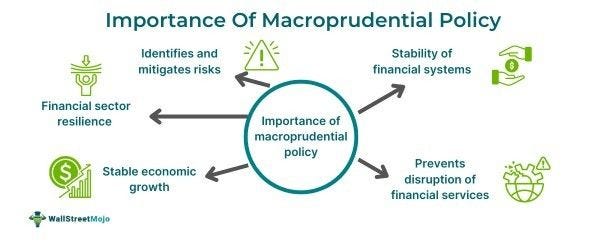
Macroprudential policies are crucial tools used by governments and central banks to ensure financial stability and prevent crises.
These regulations aim to mitigate systemic risks, protect the financial system, and maintain economic growth.
Understanding the role of macroprudential policies can help investors and businesses anticipate regulatory shifts and their market impacts. 🏦📈
Let’s explore how macroprudential regulations work, their effectiveness in preventing crises, and their implications for global markets. ⏳
What Are Macroprudential Policies?
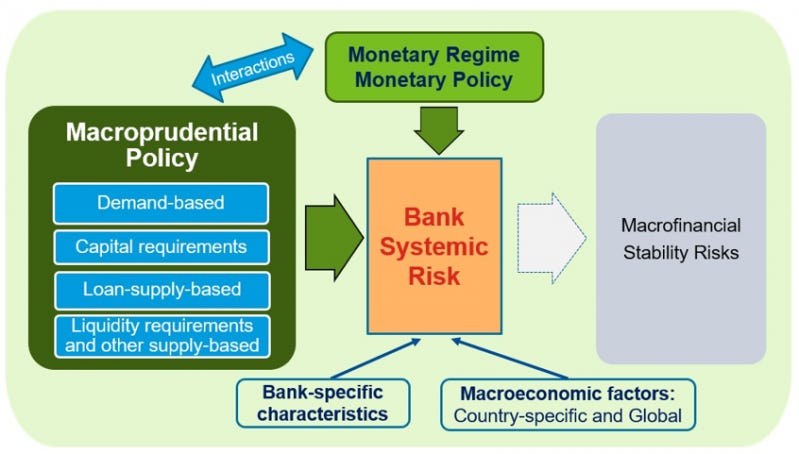
Macroprudential policies are measures designed to address risks that threaten the financial system as a whole.
Unlike microprudential regulations, which focus on individual institutions, macroprudential policies consider systemic vulnerabilities such as interconnectedness, leverage, and market volatility.
Capital buffers require banks to hold additional capital to absorb losses during economic downturns, while loan-to-value (LTV) ratios limit borrower leverage, especially in housing markets. 🏡📊
Impact on Financial Stability
Macroprudential tools reduce the likelihood of cascading failures in the financial system.
Countercyclical capital buffers introduced after the 2008 Global Financial Crisis strengthened banks’ ability to withstand shocks, preventing a repeat of widespread collapses.
Similarly, by curbing speculative activity, these policies help stabilize asset prices.
In 2021, stricter LTV limits in countries like South Korea cooled overheated housing markets, reducing the risk of a bubble burst. 🏠📉
Challenges and Limitations
Despite their importance, macroprudential policies face challenges.
Regulatory responses often lag behind market developments, reducing their effectiveness.
Overly stringent measures can stifle credit growth, weighing on economic activity.
Additionally, the interconnected nature of financial systems makes unilateral measures less effective, emphasizing the need for global coordination. 🌐
Market Implications of Macroprudential Policies
These policies significantly influence market dynamics.
Tightening credit conditions can slow growth in high-leverage sectors such as real estate and construction.
Conversely, easing measures during downturns support recovery by improving credit availability.
The Basel III regulations, implemented globally, have reshaped banking practices, promoting resilience but also increasing compliance costs. 🏗️
Visions of Tomorrow
The role of macroprudential policies is likely to expand as financial systems become more complex.
Key trends include the regulation of digital finance, with a focus on fintech and cryptocurrencies, and the incorporation of climate-related risks into macroprudential frameworks to ensure resilience against environmental financial shocks.
Efforts to harmonize macroprudential standards across regions will also gain momentum, enhancing their effectiveness. 🌱🔋
How I’m Positioning for Macroprudential Trends
To align with the evolving regulatory landscape, I focus on sectors and assets resilient to policy shifts.
Investing in financial institutions with strong compliance capabilities ensures stability.
Additionally, focusing on low-leverage industries like technology and healthcare reduces exposure to tightening credit conditions. 🚀💼
I also track global regulatory developments to anticipate shifts in credit availability and market liquidity.
Bonus Lesson to Remember
Macroprudential policies highlight the importance of systemic stability in maintaining economic growth.
By understanding these regulations, investors can better navigate market volatility and align their strategies with broader financial trends. 🌍📉
For me, tracking macroprudential trends is essential for positioning portfolios effectively.