
Dear Investors,
The Day Trust Died
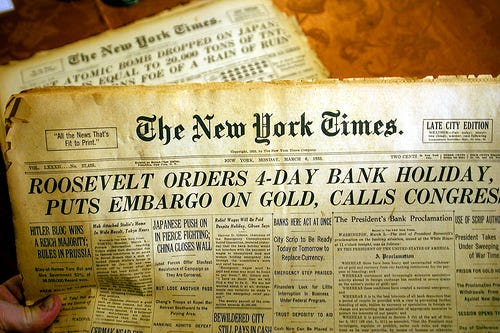
By early 1933, America was in free fall. Over 9,000 banks had already failed during the Great Depression. Depositors were running from one branch to another, withdrawing whatever cash they could find. The banking system wasn’t functioning. It was bleeding out in public view. No one knew which banks were solvent. Which deposits were safe. Which dollars would still be there in the morning. Panic had gone viral – without the internet, without Twitter, just pure word of mouth and despair. When Roosevelt took office on March 4th, the country wasn’t waiting for a speech. It was bracing for collapse. And that’s when he made the decision that stunned the nation: a four-day national banking holiday. Every bank – every single one – was closed. Transactions halted. Withdrawals frozen. The system was paused. Imagine that today: a sitting president shutting down JPMorgan, Bank of America, Citi, Wells Fargo – everything – on Day One. That’s what it took to save the system in 1933.
Rebuilding Confidence, One Signature at a Time
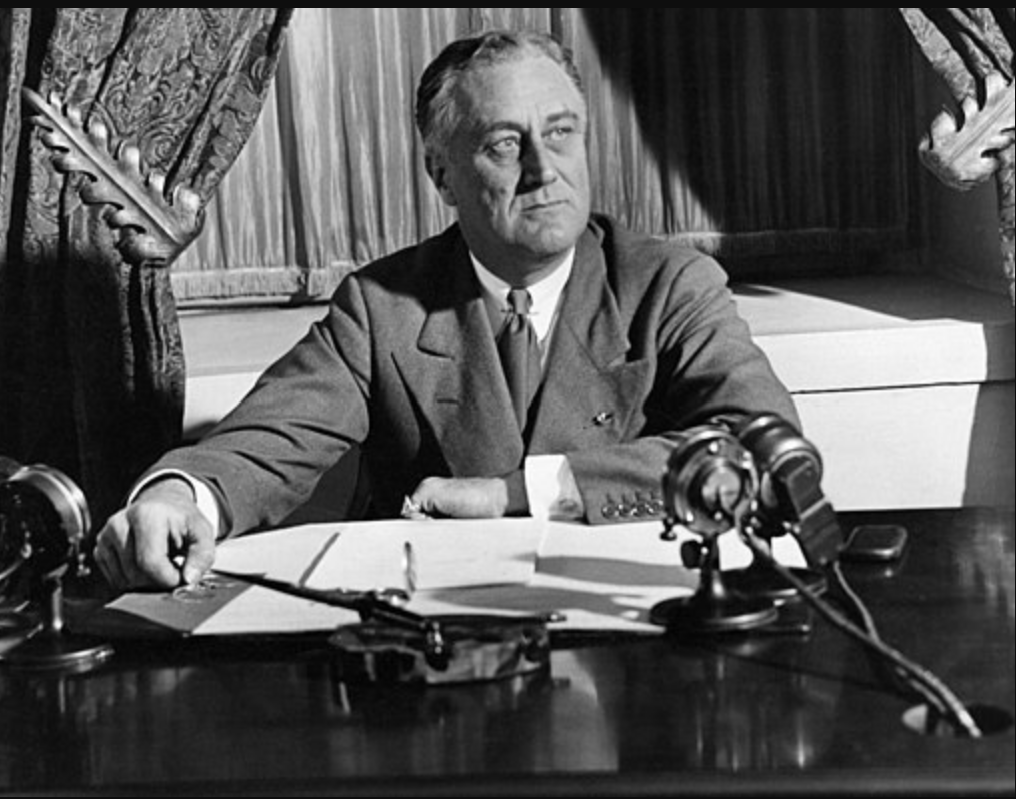
What Roosevelt understood, better than many modern policymakers, is that sometimes you don’t save the system by pumping money into it – you save it by changing how people feel about it. During the banking holiday, regulators worked nonstop to assess which banks were truly solvent. New emergency legislation was rushed through Congress. The Emergency Banking Act gave the Treasury the power to reorganize troubled institutions and reopen only those deemed sound. But the most powerful tool wasn’t the law – it was the voice. On March 12th, Roosevelt addressed the nation in his first Fireside Chat. He didn’t use jargon. He didn’t hide behind policy language. He spoke like a human being to other human beings. He explained what had happened, why the banks had closed, and – most importantly – why it was now safe to trust them again. And the unthinkable happened: when banks reopened, more people deposited money than withdrew it. The run was over. Confidence had returned – not because the system was perfect, but because people felt that someone was finally in control.
When Boldness Becomes the Only Rational Choice
We often think of financial stability as something technical – about ratios, buffers, liquidity. But 1933 showed us the truth: in a systemic panic, logic becomes emotional. And leadership becomes everything. Roosevelt didn’t save the banks with spreadsheets. He saved them with conviction. With an action so bold that it shocked the system back to life. With language so clear that it rebuilt a shattered social contract. It made me think about all the times since when hesitation has cost more than courage. In 2008, the delay between Lehman’s collapse and coordinated global action worsened the damage. In 2020, early confusion about COVID’s economic impact shook markets until governments over-delivered with stimulus. And even in 2023, the collapse of Silicon Valley Bank reminded us how quickly panic can spread – and how decisive communication can prevent a cascade. There’s a pattern here. When the system freezes, people don’t need balance sheets. They need belief.
Final Reflection
The myth that collapsed in 1933 was the idea that markets can always self-correct – that if we just wait long enough, things will stabilize. They didn’t. And they don’t. Roosevelt understood that the role of leadership in a financial crisis isn’t just to follow markets – it’s to change their direction. He taught us that decisive, coordinated, emotionally intelligent action matters more than perfect timing or complex models. That’s why, today, whenever I sense fragility in the system – whether it’s a shadow banking freeze, a liquidity shock, or a loss of confidence in an institution – I don’t just ask, “Are the fundamentals sound?” I ask: “Who’s leading this? What are they signaling? And do people believe them?” Because when the next crisis comes – and it always does – it won’t be the spreadsheets that save us. It’ll be trust. And trust, like capital, only flows where it feels safe.
Market analyses you can’t miss
Why This Macro Rally Could End in a Disaster 2. Trump’s $3 Trillion Trade Shock 3. Disaster is arrived