Dear Investors,
The Mirage of Permanent Expansion
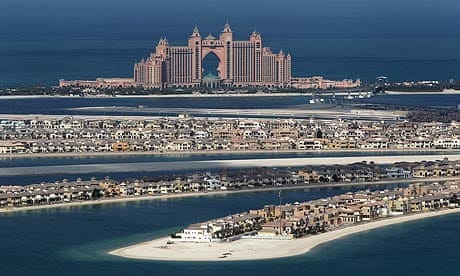
Dubai’s rise was staggering. Between 2002 and 2008, its real estate prices more than quadrupled. Mega-projects like the Burj Khalifa and The Palm Jumeirah captivated the world. Foreign buyers arrived in waves. Developers sold properties before they were even built. At the heart of this boom was Dubai World – a state-owned conglomerate with sprawling interests in construction, logistics, ports, and hospitality. It borrowed billions to fuel growth, backed by the assumption that if things ever went wrong, the government would step in. But when the global financial crisis hit in 2008, everything changed. Liquidity dried up. Oil prices plunged. Capital inflows reversed. Property sales froze. And suddenly, the mountain of debt behind Dubai World – over $59 billion – looked unpayable. In November 2009, Dubai shocked markets by asking for a debt standstill. Investors were stunned. Was this just a corporate problem? Or was the sovereign itself at risk? The line between the two had never been clear. And now that ambiguity was a crisis.
When Sovereign Risk Hides Behind Corporates
What I found most fascinating about Dubai’s crisis was how quickly the narrative unraveled. Before the standstill, most investors treated Dubai World as a quasi-sovereign – safe, protected, strategic. After the standstill, it became clear that no formal guarantee existed. That some state-linked firms were not the state itself. Bond yields spiked. Credit default swaps surged. Global investors began asking hard questions – not just about Dubai, but about every jurisdiction where state capitalism and corporate opacity were intertwined. Would Abu Dhabi step in? Could this contagion spread across the Gulf? Would sovereign wealth funds provide support – or retreat? In the end, Abu Dhabi did provide a $10 billion bailout, essentially backstopping Dubai. But the cost was reputational. The myth of implicit guarantees was gone. And from that moment, investors began pricing risk differently across the region. For me, this moment showed the fragility of trust in financial architecture that’s built on image more than transparency.
The Myth of Untouchable Growth
The 2009 Dubai crisis shattered the idea that sovereigns can safely channel debt through state-linked entities without consequences. It also broke another myth: that impressive GDP growth and luxury skylines equal financial strength. They don’t – at least not if the capital structure underneath is murky, leveraged, and dependent on external flows. Dubai didn’t default. It didn’t collapse. But it taught us that even the most dynamic economies are vulnerable when confidence breaks and refinancing windows close. In macro, scale means nothing without sustainability. Since then, I’ve been especially cautious when evaluating state-owned enterprises, especially in fast-growing or authoritarian economies. I ask:
- Is the debt on balance sheet – or hidden through proxies?
- Is the revenue model real – or cyclical and speculative?
- Will the sovereign truly step in – or just appear to until it’s too late?
Because when opacity meets leverage, even sovereign glitter can become financial quicksand.
Final Reflection
Dubai’s crisis didn’t begin with bad intentions. It began with ambition without limits. But in finance, ambition needs discipline. And when growth is financed through ever-rising leverage and half-promises of government support, a single shock – global or local – can bring the whole structure to the edge. The myth that died in 2009 was seductive: That a government will always save its champions. But once that faith is questioned, everything reprices – from bonds to buildings. Today, when I see government-owned giants expanding aggressively, I look twice. I ask: Is this scale built on substance – or on sand? Because in macro, the higher you rise without transparency, the faster you fall when trust disappears.
Market analyses you can’t miss
Why This Macro Rally Could End in a Disaster 2. Trump’s $3 Trillion Trade Shock 3. Disaster is arrived