
Dear Investors,
A Crisis of Confidence, Not Just Inflation
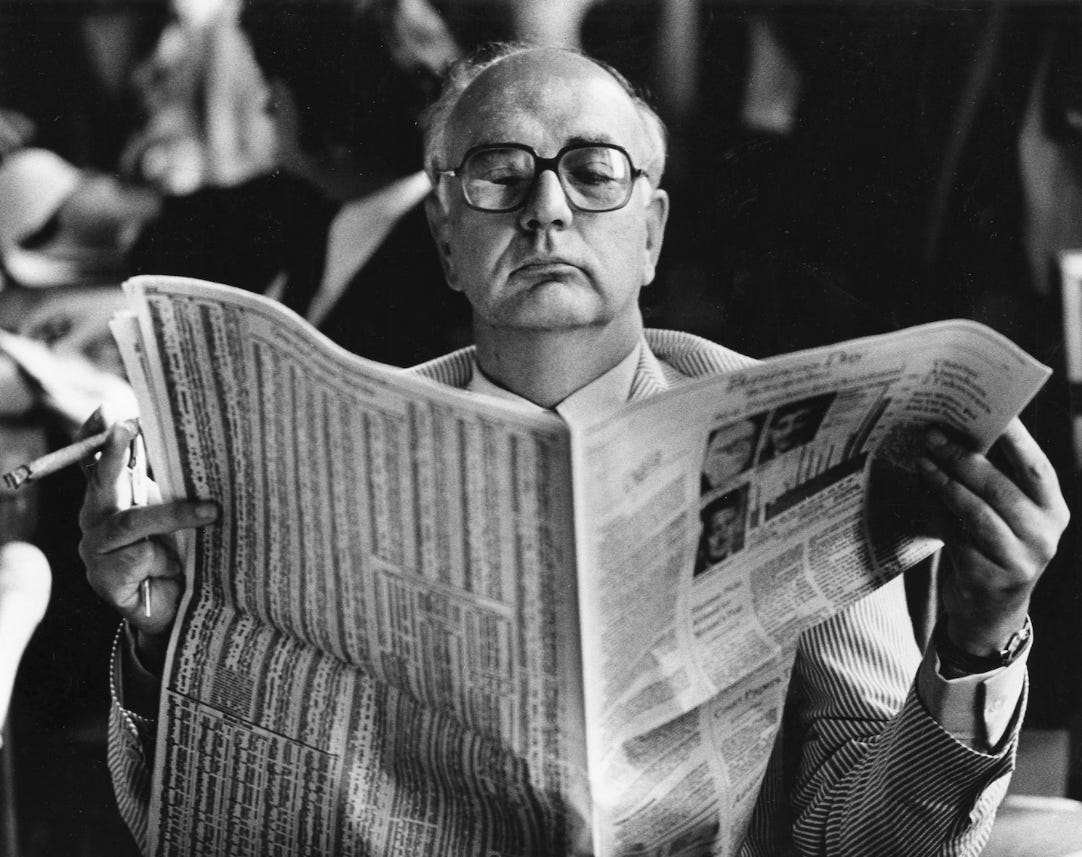
Let’s rewind to the late 1970s. The U.S. economy was suffocating under double-digit inflation, soaring past 14% in 1980, with interest rates struggling to keep pace. The dollar was weakening. Confidence in the Fed was collapsing. Households and investors no longer believed that price stability could be restored. In macro terms, the system was becoming unanchored. Enter Paul Volcker. Appointed Fed Chair in 1979, Volcker inherited not just an inflation problem – but a credibility crisis. Previous rate hikes had been timid, often reversed at the first sign of recession. The public no longer believed the Fed would finish what it started. And when expectations drift, monetary policy loses its most powerful tool: belief. Volcker understood something profound: to restore stability, the Fed had to shock the system. Not just through rates – but through resolve.
The Shock That Shaped a Generation
What followed became one of the most aggressive tightening campaigns in modern history. Between 1979 and 1981, the Fed Funds Rate was pushed from around 10% to over 20%, triggering a brutal recession. Unemployment soared above 10%, mortgage rates hit 18%, and the U.S. economy shrank deeply in the early 1980s. But Volcker held the line. He knew that if the Fed flinched – even once – the market would never believe in its commitment again. His goal wasn’t just to reduce CPI – it was to anchor expectations for the long run. And that’s exactly what happened. Inflation fell sharply over the next few years. More importantly, for the next four decades, inflation expectations remained relatively stable. That credibility allowed future central bankers to act more gradually, more predictably – because the public believed they had control. Volcker didn’t just win a policy battle. He changed the game. He reset the psychology of the bond market.

What I Learned from Volcker’s War on Doubt
When I first studied this period, I was shocked by the political and public backlash Volcker faced. Protesters gathered outside the Fed. Politicians called for his resignation. Businesses failed under the weight of high borrowing costs. And yet, he stayed the course. That kind of discipline – the willingness to endure short-term pain for long-term stability – is rare in today’s world of instant feedback loops and market tantrums. It taught me something vital: sometimes in macro, you have to choose between popularity and effectiveness. As an investor, I began applying that lesson to my own frameworks. When I see central banks today – like the ECB or the Fed – face dilemmas between growth and inflation, I ask: What’s the credibility cost of the decision? Are they defending a policy stance – or reacting to headlines? In 2022, for example, when the Fed pivoted aggressively hawkish, many were skeptical. But I saw echoes of Volcker. Inflation had been allowed to run, and credibility was fraying. The swift rate hikes were painful – but necessary. Bond markets got the message. Real yields adjusted. Breakevens stabilized. Volcker taught us that the bond market doesn’t just price data – it prices belief.
What This All Means
Paul Volcker wasn’t a trader. He didn’t run a hedge fund. But his macro instincts were sharper than many investors could ever dream of. He understood that credibility is the foundation of monetary power. Without it, no interest rate matters. No speech resonates. No forward guidance sticks. In macro, credibility isn’t just a central bank issue – it’s your issue too. As an investor, your edge depends on the strength of your convictions – and your willingness to hold them under pressure. Whether you’re building a portfolio, defending a thesis, or positioning through volatility, ask yourself: Will I still believe this when it hurts? Next week, we’ll explore how another powerful figure – Christine Lagarde – uses language, not just policy, to shape expectations and influence markets.
Market analyses you can’t miss
Why This Macro Rally Could End in a Disaster 2. Trump’s $3 Trillion Trade Shock 3. Disaster is arrived