


Dear Investors,
The Shelter Everyone Tried to Enter at Once
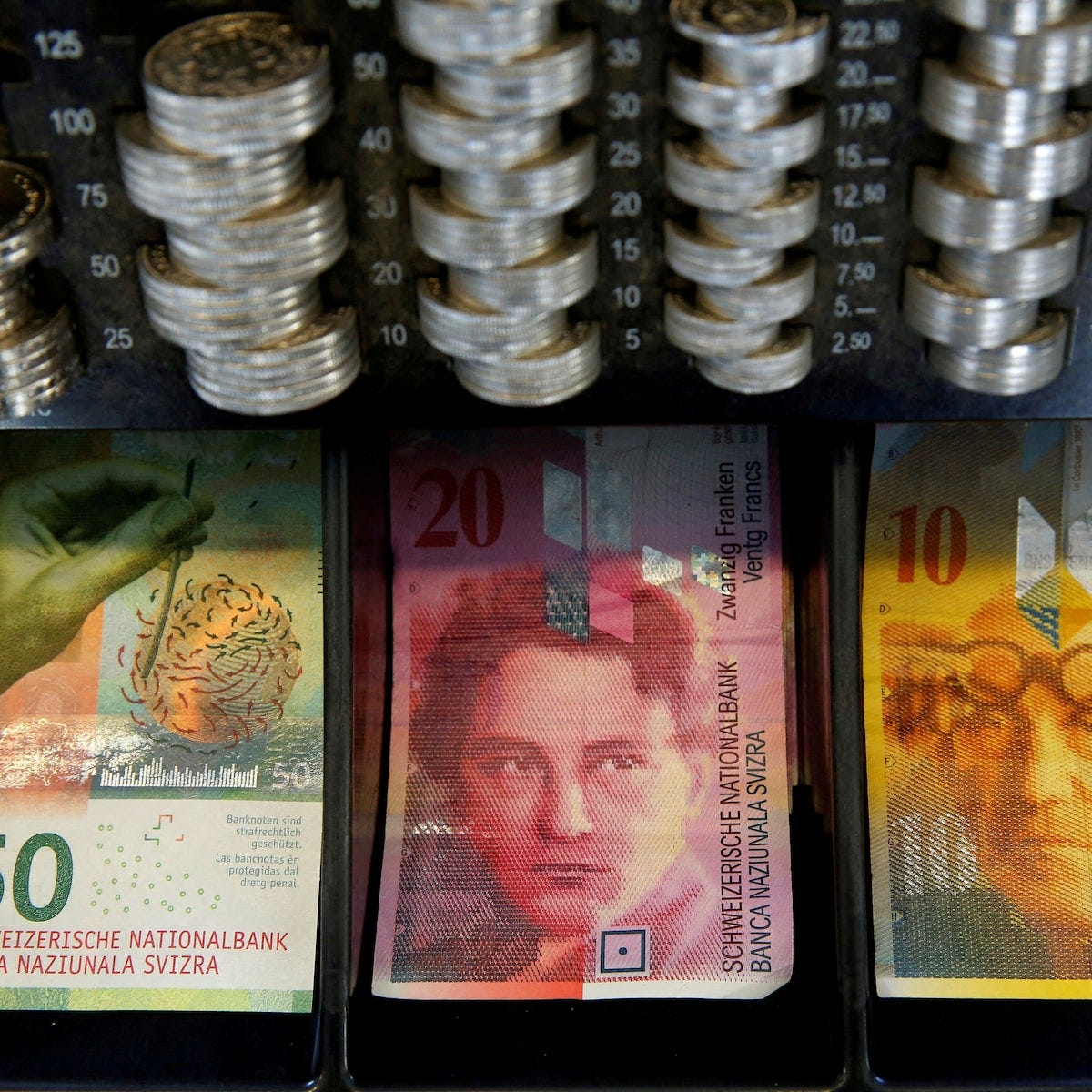
Switzerland has always been seen as a beacon of stability. Strong institutions, low inflation, political neutrality. In a volatile world, the franc became more than a currency – it became a vault. But even vaults have limits. By mid-2011, capital was pouring into Swiss assets at an unsustainable pace. Investors weren’t buying Swiss companies or participating in local growth – they were buying the currency itself, treating it like a bunker. The franc appreciated so fast that exports collapsed. Tourism plunged. Swiss companies suddenly found themselves unable to compete. The very success of the country was turning into its greatest liability. And the central bank – the SNB – was running out of options. They tried cutting rates. That didn’t stop the flows. They tried verbal interventions. The market didn’t blink. Investors weren’t listening. They were hiding. This was no longer about fundamentals. It was about fear – and Switzerland was caught in the middle.
When Being a Safe Haven Backfires
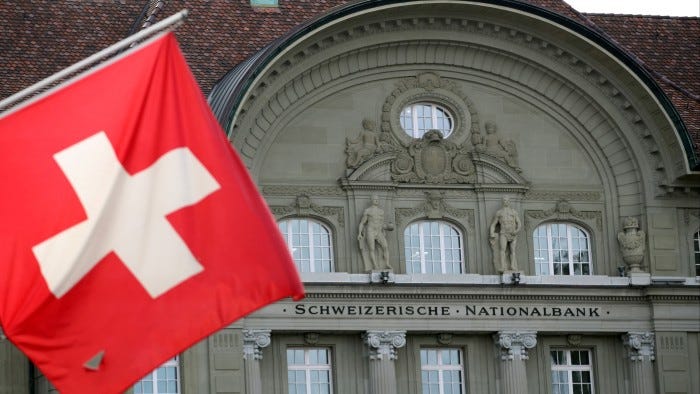
What fascinates me about this crisis is how it flips the usual logic. We often think of capital inflows as positive. But in 2011, the SNB found itself in the exact opposite position: trying to repel money. And it wasn’t working. Because when the world panics, it doesn’t care about your export margins or real estate bubbles. It just wants somewhere to park capital – and Switzerland looked perfect. Until it didn’t. In September 2011, the Swiss National Bank did something unprecedented: it capped the franc against the euro at 1.20. This was more than a peg. It was a declaration: “We will do whatever it takes to prevent further appreciation.” The market was stunned. For a central bank famous for conservatism, this was a radical shift. But it worked. The flood stopped – temporarily. Behind the scenes, the SNB began buying foreign currencies in massive volumes to defend the cap. Its balance sheet ballooned. Reserves soared. It worked in the short term. But the risks were now inside the system.
The Myth of Passive Strength
The Swiss franc surge killed a powerful myth: that safe-haven status is always an asset. It’s not. Not when the inflows are driven by fear. Not when they distort your economy. Not when you lose control over your own currency. What I learned from Switzerland in 2011 was this: macroeconomic strength must be balanced with flexibility. A rigid monetary stance in a fragile global moment can backfire – especially if it attracts unwanted flows. Capital might respect your strength, but it doesn’t care about your sustainability. This event reshaped how I think about defensive positioning. It reminded me that there’s a difference between being strong and being trapped by your own reputation. I see similar dynamics today whenever volatility rises. Whether it’s the Japanese yen, the U.S. dollar, or the Swiss franc again – flows surge into perceived safe assets. But I always ask: is the economy underneath ready to absorb them? Or are we about to see another cycle where stability breeds instability?
Final Reflection
The 2011 Swiss franc crisis wasn’t about collapse. It was about overconfidence. About a country so respected, so sought after, that its monetary policy became hostage to global fear. The myth it shattered is subtle but dangerous: That you can never have too much trust from markets. In reality, when that trust turns into one-way flows, you stop being a market – you become a magnet. And magnets, in macro, can overheat. Since that episode, I’ve stopped seeing strong currencies as automatic green flags. I ask better questions now: Is the central bank still in control? Are foreign reserves growing too fast? Are policy tools keeping up with flows? Because sometimes, being the safe choice can make you the most fragile player of all.
Market analyses you can’t miss
Why This Macro Rally Could End in a Disaster 2. Trump’s $3 Trillion Trade Shock 3. Disaster is arrived