


Dear Investors,
Trade wars have become a prominent feature of global economic dynamics, with significant implications for growth, inflation, and supply chains.
As nations impose tariffs to protect domestic industries, the ripple effects often extend beyond borders, influencing global markets and economic stability.
Understanding the macroeconomic impact of trade wars is key to navigating this complex environment. 🌍📊
Let’s explore the long-term consequences of tariff disputes and their implications for businesses and investors. ⏳
What Are Trade Wars?
Trade wars occur when countries impose tariffs or other trade barriers on each other in retaliation for perceived unfair practices.
These disputes are often rooted in issues like intellectual property theft, trade imbalances, or domestic industry protection.
The U.S.-China trade war, which began in 2018, introduced tariffs on over $550 billion worth of goods, reshaping global trade flows. 📈
Impact on Economic Growth
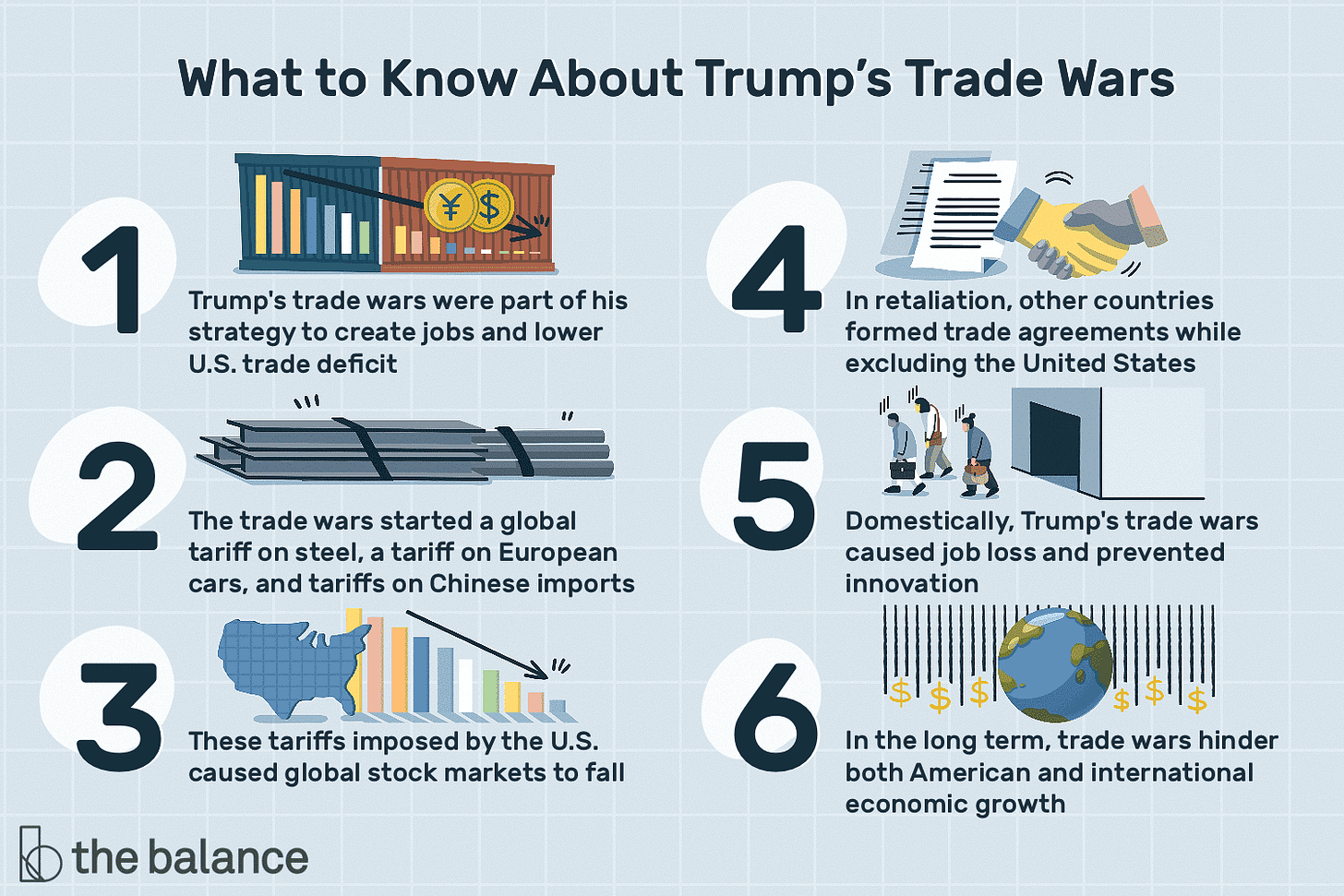
Trade wars typically slow economic growth by increasing the cost of goods and disrupting international trade relationships.
According to the IMF, the U.S.-China trade war reduced global GDP by 0.8% over two years.
As tariffs make imported goods more expensive, businesses and consumers face higher costs, leading to decreased spending and investment. 🌐📉
Inflationary Pressures
Tariffs act as a tax on imports, driving up prices for both businesses and consumers.
During the U.S.-China trade war, U.S. consumer prices increased by an estimated 0.5%, with sectors like electronics and agriculture hit particularly hard.
On the other hand, domestic producers may benefit in the short term from reduced competition, but prolonged trade disputes often erode these gains as supply chain disruptions escalate. 📊📈
Supply Chain Disruptions
Trade wars force companies to rethink and restructure their supply chains to avoid tariff impacts.
Many firms moved production from China to countries like Vietnam or Mexico to reduce exposure to tariffs.
Others brought manufacturing back to their home countries, leading to higher production costs but greater control over supply chains. 🏗️
While these shifts create opportunities for some regions, they also introduce inefficiencies and increase costs, which can weigh on global competitiveness.
Visions of Tomorrow
Trade wars are likely to remain a recurring feature of the global economy, with several long-term trends emerging.
The rise of regional trade blocs, like the Comprehensive and Progressive Agreement for Trans-Pacific Partnership (CPTPP), is reshaping global trade patterns.
As countries prioritize technological sovereignty, trade tensions may intensify in high-tech sectors like semiconductors and AI.
Future trade agreements may also include stricter labor and environmental standards, adding complexity to global supply chains. 🌱📜
How I’m Positioning for Trade War Impacts
To navigate the macroeconomic effects of trade wars, I focus on strategies that mitigate risk and capitalize on opportunities.
Geographically diversified investments spread exposure across multiple regions, reducing vulnerability to localized trade disputes.
Investing in companies with flexible and diversified supply chains ensures adaptability in volatile trade environments.
Additionally, monitoring tariff impacts on commodities like metals and agriculture creates opportunities for strategic positioning. 🌾📈
Bonus Lesson to Remember
Trade wars highlight the interconnectedness of global economies and the importance of adaptability.
By understanding their macro effects, investors can better align their strategies with the evolving trade landscape. 🌍📉
For me, navigating trade war dynamics involves staying informed and proactive.