


Dear Investors,
Central banks play a critical role in maintaining financial stability, and their balance sheets serve as a key tool in influencing market liquidity and asset prices.
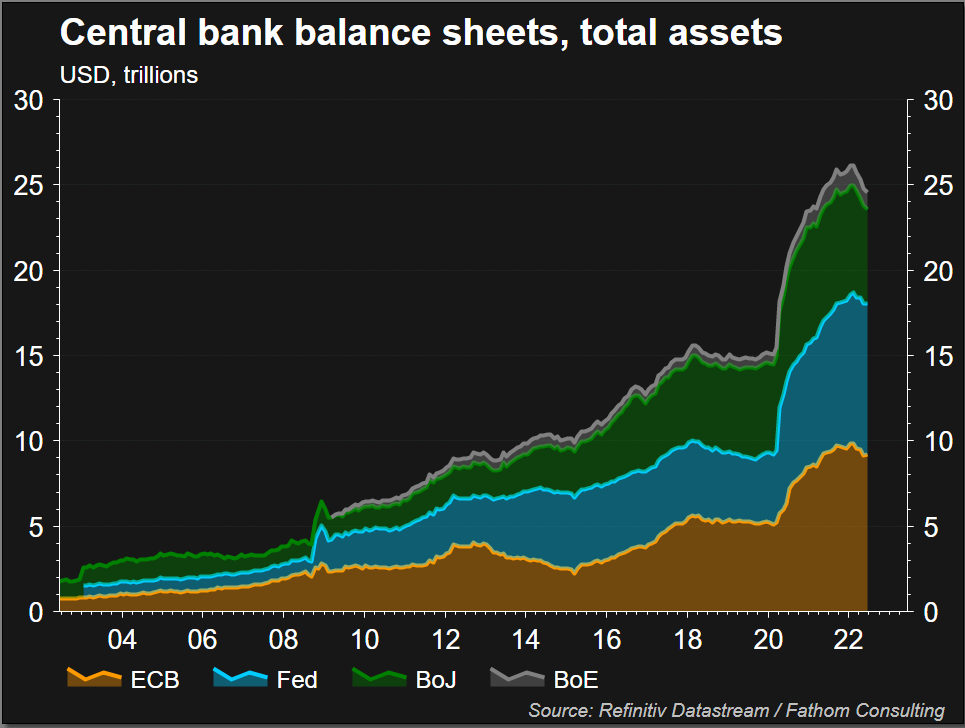
Over the past two decades, central banks have significantly expanded their balance sheets to combat economic crises, but the subsequent shrinking of these balance sheets-quantitative tightening (QT)-introduces new challenges.
Understanding these dynamics helps investors navigate market shifts and seize opportunities. 📈💼
Let’s explore how central bank balance sheets affect liquidity and asset prices, and what this means for the future. ⏳
What Are Central Bank Balance Sheets?
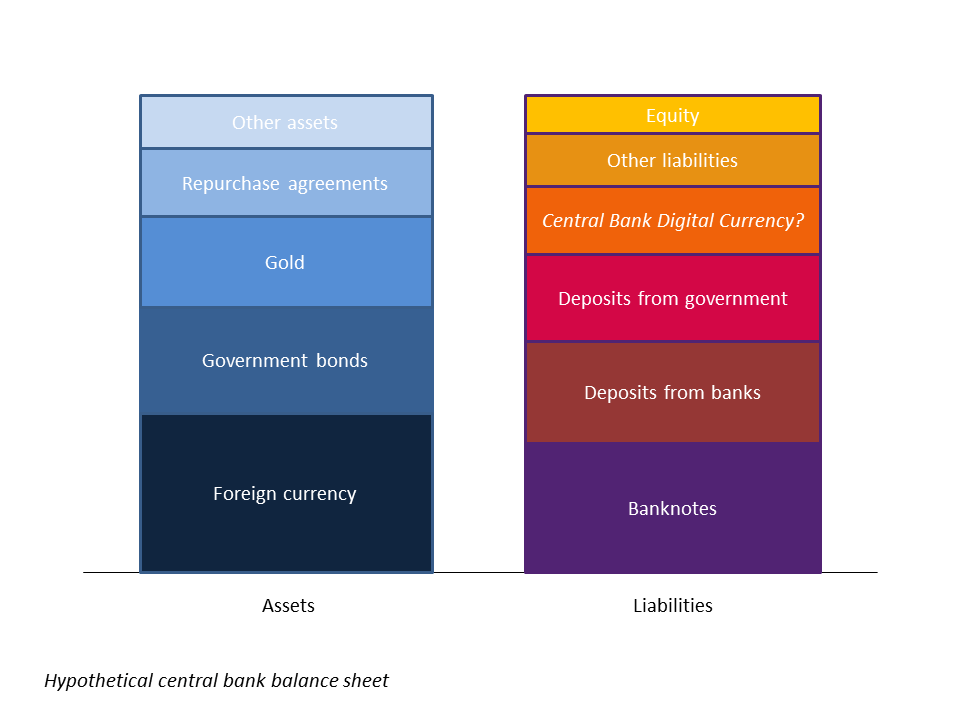
Central bank balance sheets reflect the assets and liabilities held by central banks.
Assets often include government bonds, mortgage-backed securities, and other financial instruments purchased during quantitative easing (QE).
Liabilities include reserves held by commercial banks and currency in circulation. 🌍💰
During periods of QE, central banks expand their balance sheets by purchasing financial assets, injecting liquidity into the economy.
Conversely, QT involves reducing these holdings, withdrawing liquidity from the market.
The Federal Reserve expanded its balance sheet from $900 billion in 2008 to nearly $9 trillion by 2022 during successive QE programs.
Impact on Market Liquidity
During QE, central banks inject liquidity by purchasing assets, lowering interest rates, and encouraging borrowing and investment.
This liquidity often flows into financial markets, boosting asset prices.
Following the Fed’s QE in 2020, U.S. equities rallied, with the S&P 500 gaining over 16% that year. 📈
QT, on the other hand, tightens liquidity as central banks reduce asset holdings.
This can lead to higher interest rates and reduced market activity.
In 2018, during the Fed’s QT phase, equity markets experienced heightened volatility, and the S&P 500 fell by nearly 6%.
Effects on Asset Prices
Expanding balance sheets generally support higher equity valuations, while QT can pressure prices.
QE drives bond yields lower, whereas QT increases yields, impacting borrowing costs for governments and corporations.
Additionally, lower interest rates during QE make mortgages more affordable, boosting housing demand and prices, while QT reverses this trend. 🏠📉
Visions of Tomorrow
As central banks balance the need to combat inflation with maintaining financial stability, their balance sheet strategies will have significant implications for markets.
Continued QT could tighten global liquidity, increasing market volatility.
Rising rates, combined with QT, may weigh on high-debt sectors, including real estate and technology.
Central banks may also adjust QT pace if financial conditions deteriorate, as seen during the banking stress of 2023. 📊
How I’m Positioning for Balance Sheet Trends
To navigate the impact of balance sheet changes, I focus on strategies that balance risk and reward.
Allocating to short-duration and investment-grade bonds provides stability during periods of QT and rising yields.
Investing in sectors like consumer staples and utilities, which are less sensitive to liquidity changes, offers resilience.
Additionally, holding assets like gold and real estate can hedge against volatility and preserve value during monetary tightening. 🏡
I also monitor central bank communications and macroeconomic indicators to anticipate shifts in balance sheet policies.
Bonus Lesson to Remember
Central bank balance sheets are a powerful lever for influencing liquidity and asset prices.
By understanding their role, investors can better prepare for market volatility and align strategies with broader economic trends. 🌍📉
For me, tracking balance sheet trends is essential for positioning portfolios effectively.