


Dear Investors,
Private credit markets are growing at an unprecedented pace, fundamentally altering the global lending landscape.
As traditional banks face regulatory constraints, private credit has emerged as a vital alternative, offering both opportunities and risks.
Understanding the macroeconomic implications of this shift is essential for navigating today’s financial markets. 🌍📈
Let’s dive into how private credit is transforming lending and what this means for the broader economy. ⏳
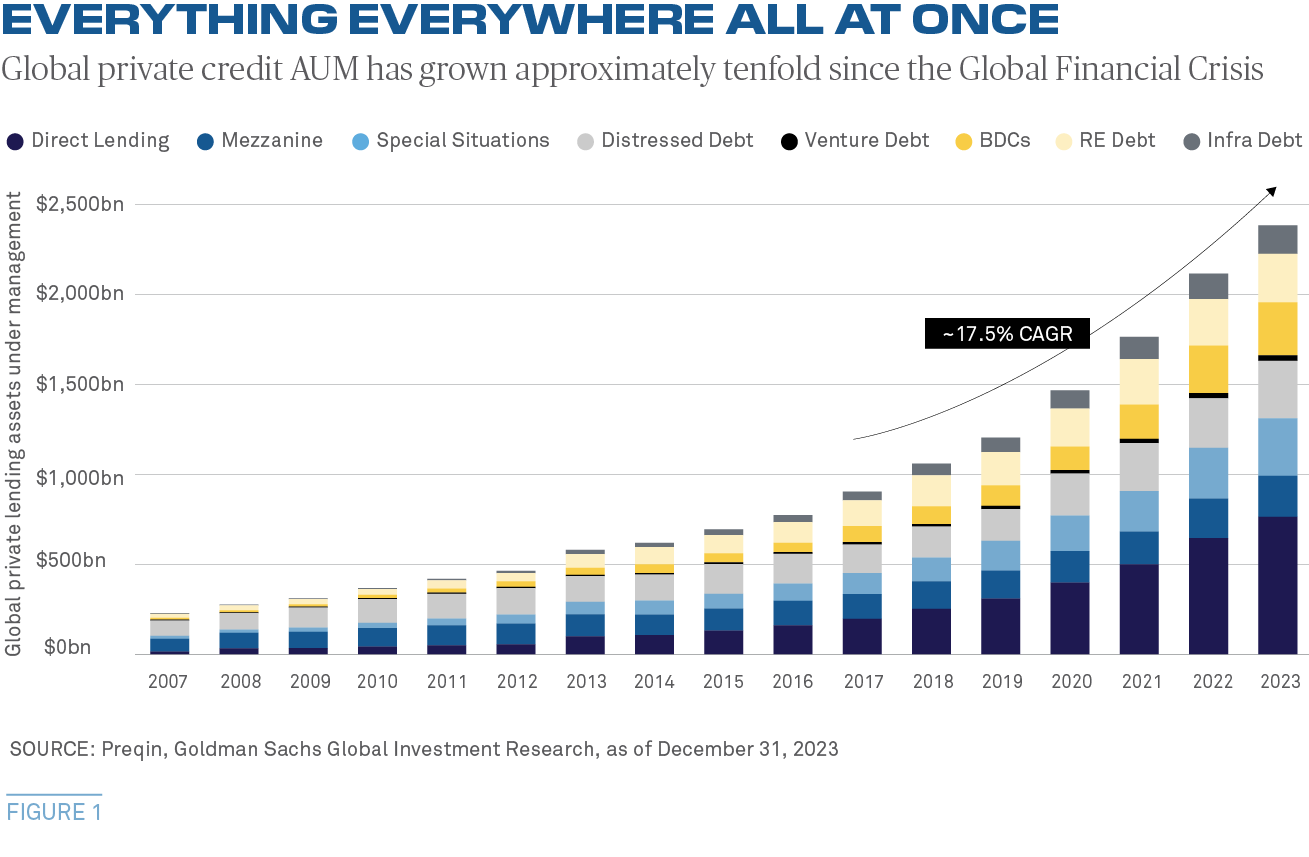
What Are Private Credit Markets?
Private credit refers to non-bank lending provided by institutional investors such as private equity firms, hedge funds, and asset managers.
Unlike traditional loans, these are often tailored solutions, including direct lending, mezzanine financing, and distressed debt investments.
This market has expanded rapidly, growing from $300 billion in 2010 to over $1.5 trillion in 2023. 📊
Impact on the Lending Landscape
Private credit is reshaping the way businesses access capital.
Unlike traditional banks, private lenders can offer greater flexibility and faster decision-making.
This has been particularly beneficial for middle-market companies, which often struggle to secure funding from larger banks due to regulatory hurdles or risk profiles.
At the same time, the high yields demanded by private credit funds reflect the increased risks associated with these loans. 📈
Macroeconomic Risks and Challenges
The rise of private credit markets also introduces new risks to the global economy.
The lack of transparency in private credit markets makes it difficult to assess the true level of leverage in the system, potentially amplifying vulnerabilities during economic downturns.
Unlike banks, private lenders are not subject to the same capital and liquidity requirements, which could exacerbate systemic risks.
Additionally, as interest rates remain elevated, default rates on private loans may rise, impacting both borrowers and lenders. 🌐
Opportunities for Investors
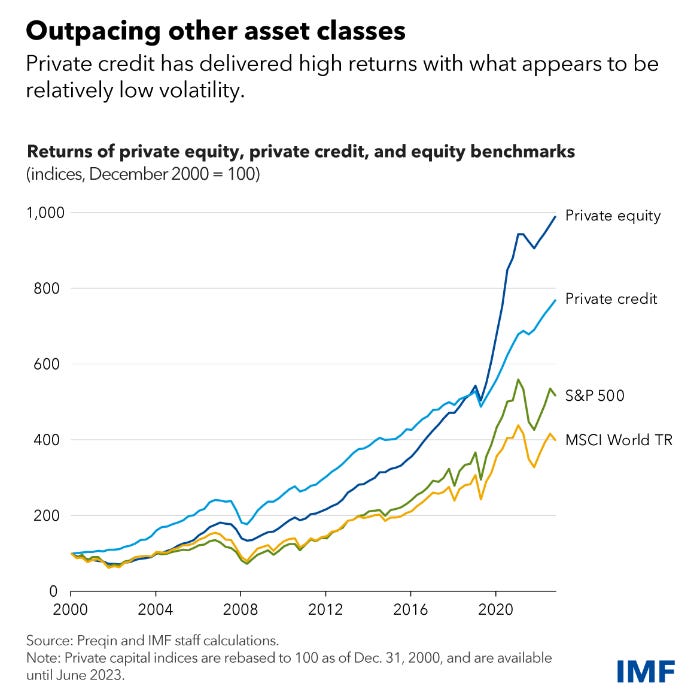
Despite these risks, private credit offers unique opportunities for diversification and higher returns.
Sectors such as technology, healthcare, and real estate have seen significant private credit activity, driven by their strong growth potential and demand for flexible financing. 🏗️📊
Visions of Tomorrow
The private credit market is likely to continue its expansion, but its trajectory will depend on macroeconomic conditions and regulatory developments.
The use of AI and advanced analytics to assess creditworthiness and manage risks could enhance efficiency.
Growth in private credit across developing economies offers higher yields but also increased risk, while potential government intervention may aim to close regulatory gaps and ensure market stability. 🌍📉
How I’m Positioning for Private Credit Trends
To navigate the opportunities and risks in private credit markets, I focus on diversified strategies.
Allocating a portion of investments to reputable private credit funds with strong track records ensures exposure to stable growth.
Targeting industries like technology and healthcare that offer robust demand for alternative lending provides opportunities for returns.
Monitoring default rates and macroeconomic indicators helps anticipate shifts in market dynamics. 🚀📈
Staying informed about regulatory developments and the evolving credit landscape ensures that I remain well-positioned to adapt to changing conditions. 📊🌍
Bonus Lesson to Remember
The rise of private credit markets highlights the importance of flexibility and adaptability in modern investing.
By understanding this evolving landscape, investors can uncover opportunities while mitigating potential risks. 🌍📉
For me, navigating private credit trends involves a balanced approach to risk and reward.