
Dear Investors,
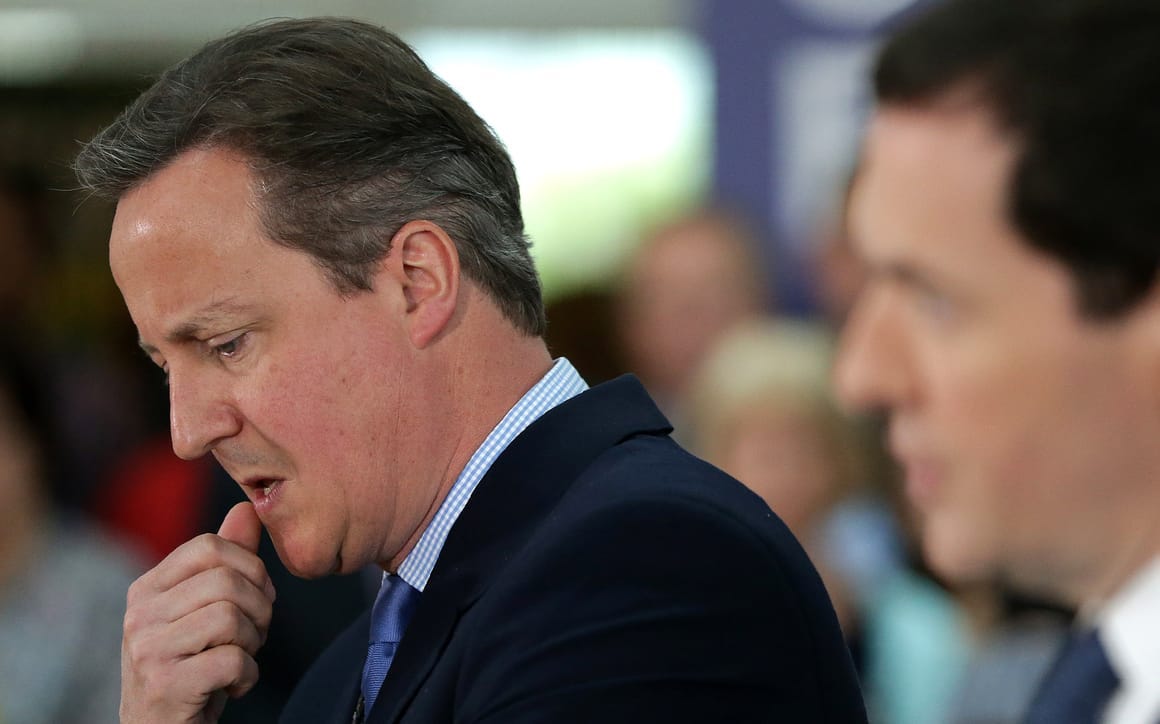
The Poll That No One Believed
Leading up to the vote, markets were confident. Too confident. The pound was strong. Risk assets were stable. Bookmakers gave “Remain” an overwhelming edge. It felt like a formality. Most investors had priced in the status quo. But beneath the surface, anger was building. Years of austerity, immigration tension, and dissatisfaction with Brussels had created a quiet coalition – one that didn’t show up in economic models, but would show up at the polls. When the results came in, everything flipped. The pound collapsed, falling over 10% in a single session – its largest one-day drop in history. European stocks tumbled. Volatility surged. Central banks scrambled to issue statements of calm. Markets weren’t just reacting to the vote – they were recalibrating what they thought they knew about democracy and economic rationality. This was the beginning of a new era: where political volatility became a macro variable.
When Markets Realize Institutions Aren’t Infallible
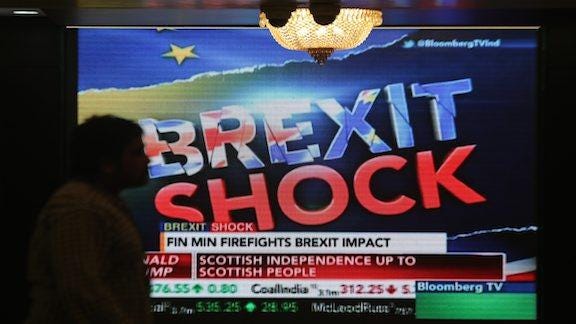
What I found most fascinating in the aftermath of Brexit wasn’t the market reaction – it was the confusion. No one had a plan. The Leave camp hadn’t expected to win. The government hadn’t gamed out the legal consequences. Investors quickly realized that no roadmap existed for the world’s fifth-largest economy detaching from the largest economic bloc on Earth. Sterling remained under pressure for months. Confidence in U.K. assets dropped. Business investment slowed. The Bank of England was forced to cut rates and restart quantitative easing. The shock didn’t just affect the U.K. It shook Europe, emerging markets, and even the U.S., where political risk premiums began creeping into bond spreads. For me, this was a turning point. I stopped treating political events as externalities. I began to ask: What assumptions are markets baking in that no longer reflect reality? Because sometimes the biggest risks aren’t economic – they’re democratic.
The Myth That Markets Are Immune to Populism
The 2016 Brexit shock destroyed a myth that had comforted markets for decades:
That rational economic interest will always prevail. It doesn’t. Not when people feel unheard. Not when institutions seem distant. Not when identity outweighs spreadsheets. Since then, I’ve watched other moments where that same illusion cracked:
- The 2016 U.S. election
- The rise of populist coalitions in Europe
- The sudden reversals of fiscal orthodoxy in Italy, France, the U.K. itself
Markets don’t fear politics when it’s boring. They fear it when it’s personal. And Brexit proved that even a mature, transparent system can surprise – and destabilize – if you underestimate the emotional undercurrent. Today, whenever I see an election coming up, a referendum brewing, or a sudden shift in public mood, I no longer ask “Will it pass?” I ask, What happens if it does? And are we even ready for that possibility?
Final Reflection
Brexit didn’t happen in a vacuum. It happened in a world where people stopped believing in promises they could no longer feel. It reminded us that macroeconomics doesn’t exist in isolation – it’s built on social contracts. When those break, markets don’t get a warning. They get a shock. The vote to leave the EU wasn’t a policy error. It was a narrative shift. And it changed how we price political risk, how we trust institutions, and how we define what’s possible. So the next time you feel certain about a political outcome, remember June 23, 2016. Because certainty is not a hedge.
Market analyses you can’t miss
Why This Macro Rally Could End in a Disaster 2. Trump’s $3 Trillion Trade Shock 3. Disaster is arrived