
Dear Investors,
Fixing the Unfixable
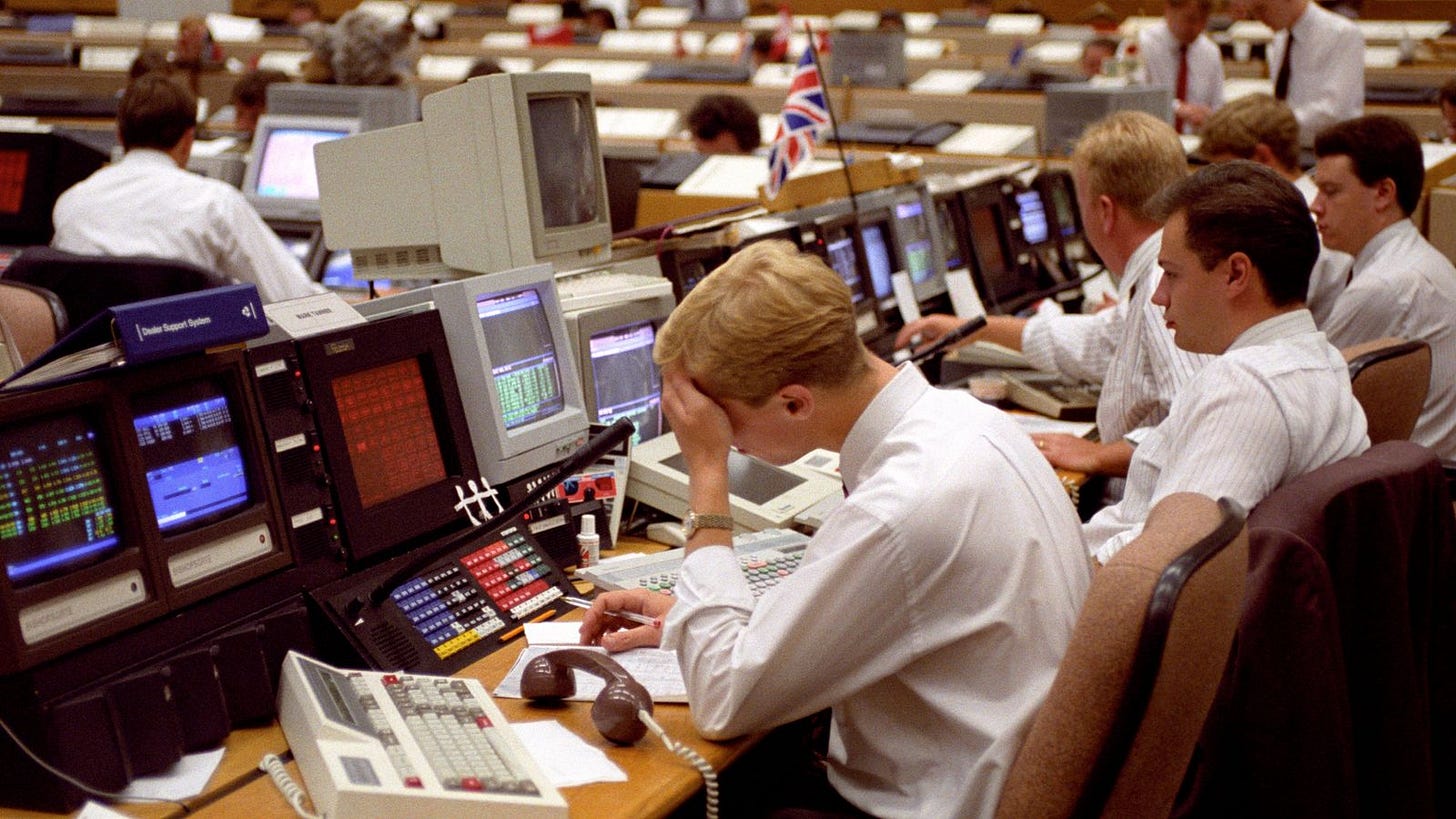
In the early 1990s, the U.K. joined the European Exchange Rate Mechanism (ERM), a system designed to stabilize European currencies in preparation for deeper monetary integration – what would eventually become the euro. By joining, Britain committed to keeping the pound within a fixed band against the Deutsche Mark. It sounded noble: discipline, credibility, European alignment. But there was a problem. The U.K. economy wasn’t aligned with Germany’s. While Germany was dealing with inflationary pressures from reunification, the U.K. was battling recession. Interest rates in Britain were already too high for a weak domestic economy, but they had to stay high to defend the pound. The country was stuck in a macro trap – forced to tighten in the middle of a slowdown, just to preserve a currency peg that was becoming politically and economically unsustainable. Markets could smell the tension. And macro traders – those who study misalignments like sharks smell blood – began circling.
How a Speculative Attack Becomes Inevitable
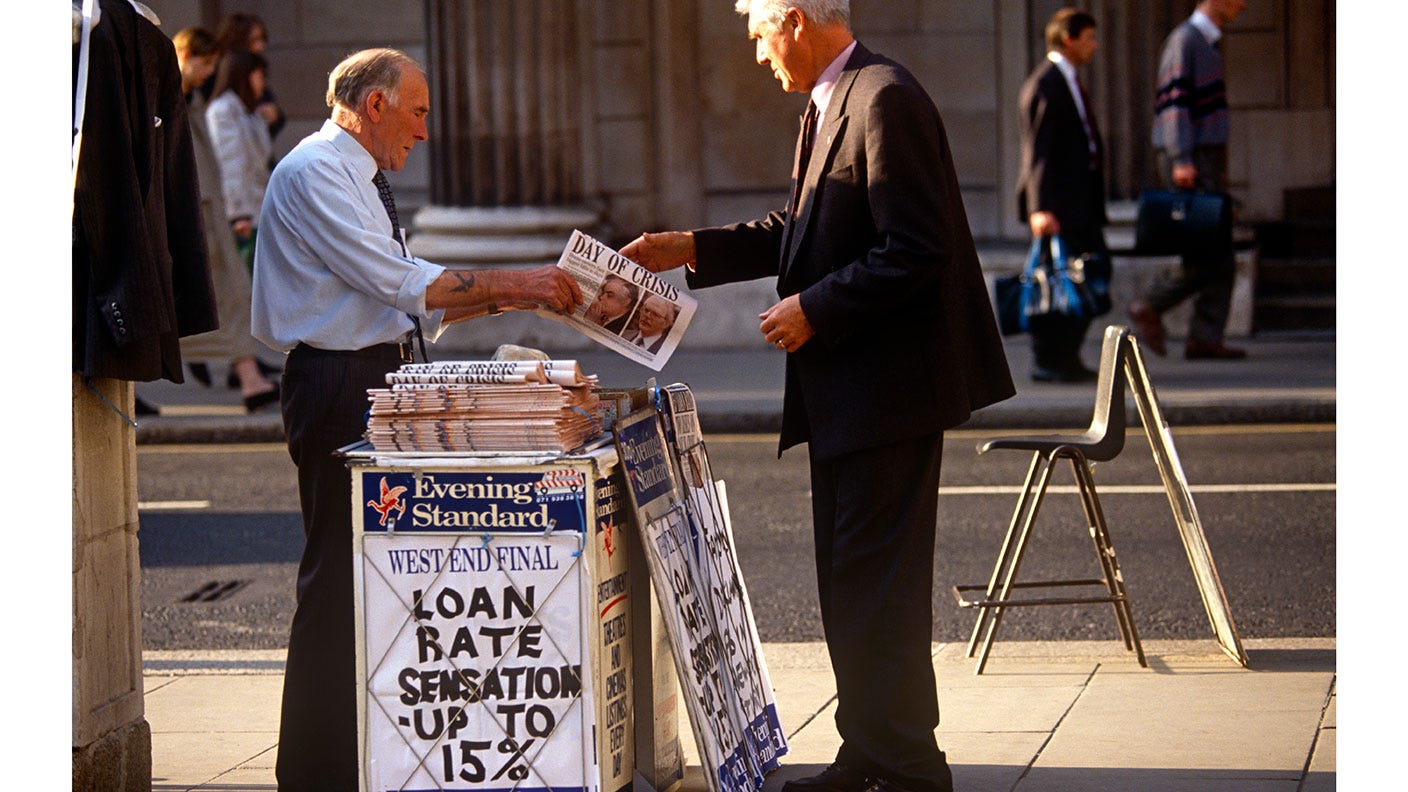
Here’s where the story turns from theory to action. George Soros, one of the clearest macro thinkers of the century, recognized the inconsistency: Britain couldn’t hold the peg and fix its economy. Something had to give. He bet that it would be the peg – and he was right. Throughout September 1992, pressure mounted. The Bank of England hiked interest rates. It spent billions of pounds worth of foreign reserves trying to buy back its currency and support its value. But traders kept selling. Soros shorted over $10 billion worth of pounds. He wasn’t alone. The U.K. government doubled down. Then, in one of the most desperate moves in modern financial history, it raised rates by 200 basis points in a single day – then another 300. And still, nothing worked. By the end of that Wednesday, the Bank of England capitulated. The U.K. announced its exit from the ERM. The pound collapsed. And Soros became “the man who broke the Bank of England.”
The Myth of Sovereign Control
What makes this story unforgettable isn’t just the drama – it’s the myth it destroyed. There was a belief, deeply held by politicians and even central bankers, that a credible government with foreign reserves and policy resolve could defend its currency. That capital controls and national pride could hold back market forces. But macro doesn’t care about pride. It cares about flows, fundamentals, and feedback loops. And when a country pegs its currency at an unsustainable level, it becomes a target. What I find most instructive is that Britain wasn’t an emerging market. It was a developed, sophisticated economy. And yet, it found itself at the mercy of external forces – not because it was weak, but because it insisted on holding an artificial line long after the fundamentals had moved. This is the heart of the macro game: understanding when policy and price diverge – and betting on the convergence.
Final Reflection
When I first read about Black Wednesday, I wasn’t drawn to the trade itself. I was drawn to the mindset behind it. Soros didn’t win because he had more capital – he won because he had clarity. He saw the structural contradiction. He knew that no matter how loud the politicians shouted, the macro math didn’t work. And that’s a principle I’ve carried with me since: markets don’t break pegs – reality does. The market is just the messenger. The scoreboard. It doesn’t care who’s in charge, or what promises were made. It only cares whether policy aligns with truth. Whenever I see countries defending fixed exchange rates today, I pause. I look for the same fractures: Are domestic rates misaligned with economic conditions? Are reserves being drained? Is credibility eroding? Because if those ingredients are present, history tells us the outcome is only a matter of time. Black Wednesday wasn’t just a lesson in currency markets. It was a reminder that no country is too big to fail a bad idea. And when macro forces align against you – denial is the most expensive trade of all.
Market analyses you can’t miss
Why This Macro Rally Could End in a Disaster 2. Trump’s $3 Trillion Trade Shock 3. Disaster is arrived